

Home › Specialties ›Anxiety Treatment
ANXIETY TREATMENT · HOUSTON & TELEHEALTH
The worry doesn't stop. You're tired of feeling like you're barely holding it together. You're afraid it will never get better.
Specialized anxiety treatment for adults and teens in Houston and across Texas. As a clinical psychologist trained in CBT and exposure-based therapy, I treat generalized anxiety, social anxiety, panic disorder, specific phobias, and health anxiety.
CBT specialist
Evidence-based, proven effective
GAD, social anxiety, panic, phobias
All major anxiety presentations
Telehealth across Texas & NY
+ 40 PsyPact states
Free 15-min consult
No commitment required
THIS MIGHT FEEL FAMILIAR
The worry doesn't turn off. The what-ifs keep coming.
Anxiety is more than feeling stressed. For many people it's a persistent hum in the background, a body that never fully relaxes, and a pattern of avoiding things that have started to add up. Some recognize it immediately. Others have been living with it so long it just feels like who they are.

Worry that runs in the background constantly, even when nothing specific is wrong
Physical symptoms that have no clear medical explanation: tension, stomachaches, headaches, racing heart
Avoiding situations you used to handle, social events, work presentations, places that feel unsafe
Panic attacks, or the constant fear of having one, that have started to shape where you go and what you do
Reassurance-seeking that brings relief for a moment and then wears off, requiring more
A sense that anxiety itself has become frightening, that the symptoms mean something is seriously wrong
You are not imagining it, and it is not a character flaw. Anxiety is a real, treatable condition. And the patterns that are keeping it going can change.
Anxiety isn't the problem. The interpretation of anxiety and avoidance are.
WHAT'S ACTUALLY HAPPENING
Anxiety is your brain's alarm system. It exists because it's useful: it warns you about real threats, motivates you to prepare, and keeps you careful in genuinely dangerous situations. The problem isn't that the alarm fires. The problem is when it fires too often, too intensely, or in situations that don't warrant it.
What keeps anxiety going is a combination of catastrophic thoughts and avoidance. Every time you avoid something your brain has flagged as threatening, you confirm the alarm. The brain registers: this was dangerous enough to avoid. Next time, the alarm fires even more reliably. Over time, the list of things that feel threatening grows, and the world gets smaller.
Anxiety sensitivity is a related pattern that affects many people with anxiety: a fear of the anxiety symptoms themselves. When a racing heart or dizziness feels like evidence that something is seriously wrong, the anxiety cycle intensifies. Addressing anxiety sensitivity often makes other treatment significantly more effective.
Read more about anxiety sensitivity →TYPES OF ANXIETY I TREAT
Anxiety looks different for different people.
Generalized Anxiety Disorder
Persistent, hard-to-control worry across multiple areas of life: work, health, relationships, the future. Often accompanied by tension, fatigue, and difficulty concentrating.
Social Anxiety
Significant fear of social situations where you might be judged or evaluated. Can range from performance anxiety to broader discomfort in most social interactions, often leading to avoidance and isolation over time.
Panic Disorder
Recurrent panic attacks and significant worry about having future ones. The fear of panic itself often becomes as disruptive as the attacks, shaping where you go and what you are willing to do.
Specific Phobias
Intense, disproportionate fear of a specific object or situation: heights, flying, needles, animals, and others. The fear is persistent and leads to avoidance that can significantly limit daily life.
Health Anxiety
Preoccupation with having or developing a serious illness, despite reassurance. Often involves repeated body-checking, frequent medical consultations, or avoidance of medical care due to fear of what might be found.
Anxiety sensitivity, the fear of anxiety symptoms themselves, often underlies or intensifies several of these presentations. Learn more →
These are the most common presentations I work with. If you're not sure which applies to you, that's okay. We’ll start by figuring that out together. Many people experience symptoms from more than just one.
HOW I TREAT ANXIETY
CBT that's active, specific, and actually moves things forward.
Cognitive Behavioral Therapy is the most extensively researched treatment for anxiety disorders. It works by addressing the three things that maintain anxiety.
Thoughts
Anxious thinking overestimates danger and underestimates your ability to cope. CBT helps you identify these patterns and develop more accurate ways of responding to them.
Physical sensations
Anxiety produces real physical changes. CBT teaches you to recognize these as alarm signals, not signs of danger, and to work with them rather than fight them.
Behavior (avoidance)
This is the most important target. Exposure work gradually reduces avoidance, building direct evidence that feared situations are tolerable. This is what produces lasting change.
Treatment is active and skills-based. You will be learning specific tools, practicing between sessions, and tracking progress. The goal is not to eliminate anxiety entirely, but to reduce it to a level where it no longer runs your decisions or limits your life.
Treatment that's structured, collaborative, and focused on real change.
WHAT TO EXPECT
Anxiety treatment is not one-size-fits-all. The approach we use, the targets we set, and the pace we move at all depend on your specific presentation and goals. While I specialize in anxiety, most people come with more than one thing on their mind. We can focus on whatever feels most important to you, and will talk through your options for each session together.

Getting a clear picture
The first one or two sessions are about understanding what's going on: when symptoms started, what they look like, how they're affecting your life, what you've tried, and what your goals are.
Building a plan together
From there we'll identify your specific goals and map out how to work toward them — a clear plan with a clear direction, adjusted as needed as treatment progresses.
Developing real-world tools
Sessions are active and skills-focused. You'll build tools for managing anxiety and facing avoided situations, so that when hard moments come up in real life you have something to draw on — not just in the room.
Sessions are typically once a week or every two weeks, depending on what works best for you. Some people choose to meet more frequently for additional support, particularly early in treatment.
I also work with younger patients
Anxiety often looks different in teens and children.
In teens, anxiety often shows up as irritability, avoidance that looks like apathy, or social withdrawal. In children, it tends to come through in behavior: school refusal, meltdowns, physical complaints, and clinginess. I work with both age groups using developmentally appropriate approaches.
OUTCOMES
What life can look like when anxiety isn't running things.
The goal isn't a life without anxiety. It's a life where anxiety isn't making decisions for you.
Worry that you can set aside rather than something that follows you through the day
Physical symptoms that have quieted down because the alarm isn't firing constantly
Doing things you'd been avoiding: social situations, travel, work challenges, daily life
A different relationship to panic: knowing it's uncomfortable, not dangerous, and that it passes
Confidence in your own ability to handle discomfort rather than needing to avoid it
A sense of your world expanding again rather than quietly contracting
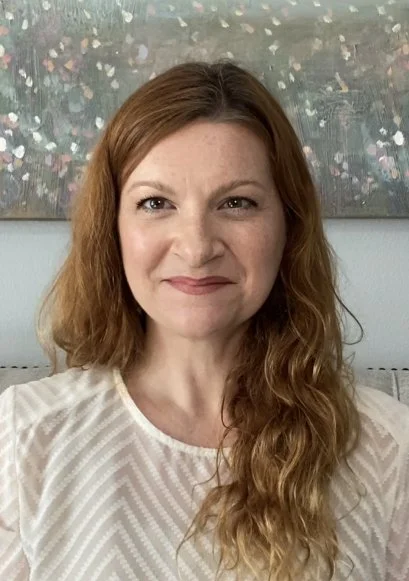
Dr. Ehrin Weiss
Clinical Psychologist
WHY DR. WEISS
Specialized training. A practical approach.
I'm a clinical psychologist specializing in anxiety and OCD. My approach to anxiety treatment is grounded in CBT and exposure work, and I'm trained in a range of techniques that let me match the approach to the person rather than applying a single formula.
I'm also the author of Anxiety Relief Book for Kids, and I work with adults, teens, and children across Texas, New York, and 40+ PsyPact states.
Free guide
Understanding Anxiety & OCD
A practical guide covering what anxiety and OCD actually are, why they persist, and what evidence-based treatment involves.
- ✓Is this anxiety, OCD, or both?
- ✓Why anxiety persists, and what actually changes it
- ✓Anxiety sensitivity: when anxiety itself becomes the problem
- ✓What evidence-based treatment involves
- ✓What to look for in a therapist
RELATED SPECIALTIES
Anxiety rarely travels alone.
Many people dealing with anxiety are also navigating one of these.
Specialty
OCD
When intrusive thoughts and compulsions are part of the picture. Specialized ERP and I-CBT treatment.
Learn more →Specialty
Burnout & life transitions
When anxiety is compounded by exhaustion, a major life change, or a sense that things need to shift.
Learn more →Specialty
Parenting therapy
When anxiety is affecting how you show up as a parent, or when parenting itself has become a significant source of stress.
Learn more →WHERE WE CAN WORK TOGETHER
In-person and telehealth options
In-person sessions Houston
In-person sessions are available at my Houston office. View current availability and schedule directly online →
Telehealth therapy 40+ States
Secure video sessions throughout Texas, New York, and all PsyPact states. View current availability and schedule directly online →
Current as of March 2026. Confirm at psypact.gov.
Research shows telehealth CBT produces outcomes equivalent to in-person treatment for anxiety. Many people find it easier to practice the skills they learn in session when therapy happens in their actual environment.
FREQUENTLY ASKED QUESTIONS
Common questions about anxiety treatment
-
It's worth thinking about what anxiety is already costing you: the time you spend worrying, the opportunities you avoid, the energy that goes into managing something that isn't getting better on its own. Treatment is an investment, but so is continuing to live the way things are now.
Treatment length varies and is genuinely hard to predict. It depends on how severe your symptoms are, how long you've had them, and how much you're able to apply what you're learning between sessions. Some people notice meaningful improvement within a few months. Others take longer. As a general rule, people who come in with specific goals and who practice the skills outside of sessions tend to make faster progress. I'll give you an honest picture of what to expect after an initial assessment, and we'll set goals together so you're never wondering where we're headed.
On cost: I'm a private pay practice and don't bill insurance directly. I provide superbills after each session that you can submit to your insurance for potential out-of-network reimbursement. Many clients recover a meaningful portion of the fee this way.
-
This is one of the most common concerns I hear, and it's worth naming directly. Seeking help for anxiety is not a sign that something is fundamentally wrong with you. Anxiety is one of the most common human experiences, and the people who pursue treatment are often the ones who have been managing it quietly for years before deciding they don't want to keep doing that.
Therapy is also confidential. No one will know you're in treatment unless you choose to tell them. And if it helps at all: you might be surprised how many people around you are already in therapy, or have been.
-
It's a reasonable concern, and it would be true if anxiety treatment were just about talking through your worries. But CBT works differently. The goal isn't to give your anxiety more airtime. It's to change your relationship to it.
In treatment you'll learn what's actually driving the anxiety cycle, practice recognizing the thoughts and physical sensations that keep it going, and gradually face the situations you've been avoiding rather than continuing to work around them. That last part, reducing avoidance, is where most of the change happens. Avoidance feels like relief in the moment, but it's what keeps anxiety alive over time. Treatment works in the opposite direction, and most people find that facing what they've been avoiding is significantly more manageable than they expected.
-
Anxiety disorders and OCD share real similarities, and many people have both. The key differences are in the nature of the intrusive thoughts (which in OCD tend to feel deeply contrary to the person's values) and the presence of compulsions: repetitive behaviors or mental acts performed to reduce distress. OCD was classified as an anxiety disorder until 2013, when it was given its own category, which reflects meaningful differences in how it works and how it's best treated. If you're not sure which applies to you, assessment can help clarify.
-
I'm a private pay practice and don't bill insurance directly. This means no prior authorizations, no session limits, and no insurance company involved in your treatment. I provide superbills monthly that you can submit to your insurance for potential out-of-network reimbursement. Many clients recover a meaningful portion of the fee this way.
You don't have to keep managing this alone.
Schedule a free 15-minute consultation. We'll talk through what you're experiencing and whether we're a good fit.