

BLOG
Is It "Just Anxiety"? Understanding Anxiety Sensitivity
Your heart is racing, pounding like it might beat out of your chest. Your mouth is dry. There's a lump in your throat. You feel shaky, sweaty, on edge. It's hard to breathe.
Your mind goes blank. Everything starts to feel strange or unreal. You feel dizzy, nauseous, can't focus.
And the thought hits: something is very wrong.
Maybe part of you knows these are common symptoms of anxiety. But it doesn't feel like "just anxiety," does it? In fact, the more you think about it, the more anxious you feel.
If this sounds familiar, you may be dealing with anxiety sensitivity.
What Is Anxiety Sensitivity?
Anxiety sensitivity is the tendency to interpret normal anxiety sensations as dangerous, and to fear that those sensations will cause serious harm, physically, mentally, or socially. Put simply, it's the fear of anxiety itself.
It's not a diagnosis, but a trait, and one that doesn't tend to go away on its own.
Importantly, anxiety sensitivity doesn't mean you're a generally more anxious person. It means you have a stronger, more reactive relationship to the sensations of anxiety. People with high anxiety sensitivity have an increased risk of developing:
• Panic attacks
• Agoraphobia
• Generalized anxiety
• Health anxiety
• Social anxiety
• OCD
It can also keep anxiety going once it starts. The encouraging news is that anxiety sensitivity is highly treatable.
Why Anxiety Feels So Intense: The Anxiety Sensitivity Cycle
Anxiety expert Dr. Claire Weekes described anxiety in two layers. First fear involves the physical sensations of anxiety. They happen almost automatically and pass quickly if we don't react to them. Second fear is where our thoughts and interpretations take over, where we begin to fear the sensations themselves.
First Fear vs. Second Fear
When you interpret a sensation as dangerous, your body releases more adrenaline, which creates more physical sensations, which feel like more evidence that something is wrong. The cycle becomes:
Sensation → Fear → More Sensations → More Fear
The more you fight the sensations or try to make them stop, the more intense and long-lasting they become. The sensations themselves are not the problem. What drives the cycle is the interpretation.
How Avoidance Makes Anxiety Worse
Naturally, you may start avoiding anything that triggers these sensations. That might look like:
• Avoiding exercise because an increased heart rate feels dangerous
• Constantly checking your body for signs of illness
• Worrying about every physical sensation
• Feeling afraid you're "going crazy" when things feel unreal
• Avoiding social situations where you might feel anxious or visible
• Limiting where you go or what you do to stay out of anxious situations
• Feeling dread or becoming overwhelmed when anxiety shows up
While avoidance can feel helpful in the moment, it actually reinforces the belief that these sensations are dangerous. When it comes to anxiety, our actions speak louder than our words. The more we treat something as dangerous, the more dangerous we believe it to be, even if we tell ourselves it isn't. Over time, the world can start to shrink.
How to Treat Anxiety Sensitivity
You can learn to stop fearing your anxiety. When that shift happens, the cycle begins to break, and anxiety becomes much more manageable. Effective treatment typically involves four steps.
1. Understanding Anxiety Symptoms in the Body
The first step is learning how anxiety actually works in the body. Symptoms like a racing heart, sweating, shaking, nausea, dizziness, a tight chest, a lump in your throat, shortness of breath, brain fog, depersonalization, and derealization are uncomfortable, but they are not dangerous. When they are not fueled by fear, they pass much more quickly than most people expect.
Understanding what is actually happening is often the first meaningful shift. Anxiety is not just in your head. It is very much in your body. But that doesn't mean something is wrong.
2. Changing Catastrophic Thoughts
Anxiety sensitivity is driven by thoughts like:
• "I'm having a heart attack"
• "I'm going to pass out"
• "I'm going crazy"
• "I can't handle this"
In therapy, you'll learn to recognize these thoughts in real time, understand what is actually happening in your body, and replace catastrophic interpretations with more accurate ones. For example:
"This is anxiety. It's uncomfortable, but it's not dangerous. It will pass on its own if I don't feed it with fear. I can handle this."
3. Interoceptive Exposure: Facing the Sensations
One of the most effective treatments for anxiety sensitivity is interoceptive exposure, which means intentionally bringing on the physical sensations you fear in a safe, controlled way. This might include exercises that briefly increase your heart rate, create mild dizziness, or produce a feeling of breathlessness.
With guidance, you learn that the sensations are not harmful, that you can tolerate them, and that your thoughts, not the sensations themselves, are what drive the fear. This step is often where the biggest breakthroughs happen.
4. Returning to Your Life
The final step is applying what you've learned in real life, gradually returning to situations you had been avoiding. As your confidence builds, anxiety loses its grip. The goal isn't to eliminate anxiety entirely. It's to stop letting it make decisions for you.
You Don't Have to Keep Living This Way
If anxiety sensitivity is driving your symptoms, or your child's, it's important to address it directly. Treating it can reduce panic symptoms, make anxiety feel more manageable, and improve the effectiveness of other anxiety treatments.
I work with adults, children, and teens in Houston and virtually throughout Texas and New York to treat anxiety at its root, including the anxiety sensitivity patterns that keep people stuck.
Ready to take the next step? Learn more about anxiety treatment, or reach out to schedule a free consultation.

Understanding the Role of Accommodation in Child Anxiety and OCD: A Guide for Parents
Sometimes, the ways in which we try to support our children can inadvertently contribute to the persistence of their symptoms. This is where understanding the concept of accommodation becomes crucial.
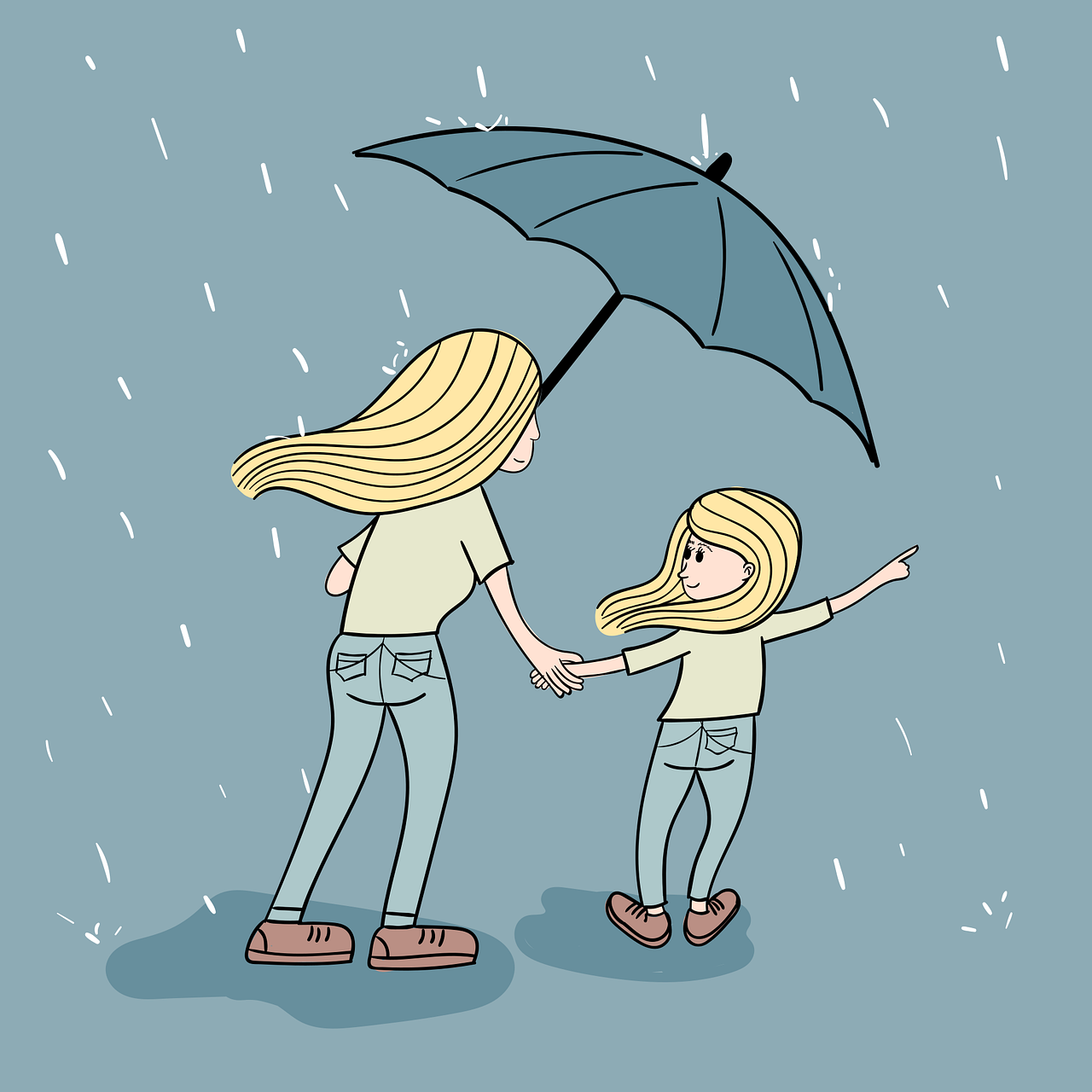
Understanding the Role of Accommodation in Child Anxiety and OCD: A Guide for Parents
As a parent, witnessing your child struggle with anxiety or Obsessive-Compulsive Disorder (OCD) can be incredibly challenging. You want to do everything in your power to help them feel safe and secure, and they look to you for safety and security. However, sometimes, the ways in which we try to support our children can inadvertently contribute to the persistence of their symptoms. This is where understanding the concept of accommodation becomes crucial.
What is Accommodation?
Accommodation refers to the various ways in which parents, caregivers, and family members adjust their behavior to alleviate a child's anxiety or OCD-related distress. While these adjustments are typically well-intentioned and stem from a desire to protect the child, they can inadvertently reinforce the anxiety or OCD cycle, making symptoms more entrenched over time.
The Role of Accommodation in Child Anxiety and OCD

Accommodation can take many forms, including reassurance-seeking, providing constant supervision, helping with compulsive behaviors, and modifying family routines to adjust for the child's anxiety or OCD-related demands. While these behaviors may provide temporary relief, they ultimately reinforce the child's belief that they are unable to cope with anxiety-provoking situations independently.
The old adage, “Actions speak louder than words,” is true here. If you tell a child they have nothing to worry about and everything is going to be okay, then act as though they do have things to worry about and they can’t handle upsetting situations by allowing them to avoid anxiety-provoking situations, their anxiety will be reinforced.
Consequences of Accommodation
Continued accommodation can have several negative consequences for both the child and the family as a whole. These may include:
Reinforcement of Anxiety and OCD Symptoms: Accommodation reinforces the child's belief that their fears are valid and that they need external reassurance or avoidance behaviors to manage their anxiety or OCD.
Impaired Coping Skills: When parents consistently accommodate their child's anxiety or OCD symptoms, the child may not have the opportunity to develop essential coping skills or resilience.
Strain on Family Dynamics: Accommodation can lead to increased stress and tension within the family, as other family members may feel overwhelmed or resentful of the constant need to adjust their behavior to accommodate the child's symptoms. This can also result in conflict.
Limitation of Independence: Children who rely heavily on accommodation may struggle to develop independence and age-appropriate autonomy, which can impact all areas of life.
Addressing Accommodation in Therapy
Therapy plays a crucial role in helping families understand and address accommodation patterns effectively. A skilled therapist can work collaboratively with parents and children to:
Raise Awareness: By helping parents recognize accommodation behaviors and their impact on their child's well-being, therapy can empower families to make positive changes.
Implement Gradual Exposure: Gradual exposure techniques can help children confront their fears in a controlled and supportive environment, gradually reducing the need for accommodation.
Foster Independence: Therapy can support children in developing coping skills and strategies to manage anxiety or OCD symptoms independently, reducing reliance on accommodation.
Improve Family Communication: Therapy provides a safe space for families to discuss their experiences and concerns openly, fostering better communication and understanding.

Conclusion: Understanding the role of accommodation in child anxiety and OCD is essential for parents seeking to support their children effectively. By recognizing and addressing accommodation patterns, families can empower their children to develop resilience, independence, and coping skills. Therapy plays a crucial role in this process, providing guidance, support, and strategies for positive change. The SPACE program is designed to help parents through the process of recognizing and reducing accommodations, and has been found to be as effective as child-focused therapy for addressing anxiety and OCD.
For more information about SPACE and reducing accommodations, click here or schedule a time to talk to Dr. Weiss here.

What is the SPACE Approach to Helping Children Cope with Anxiety and OCD?
Innovative therapeutic approaches like Supportive Parenting for Anxious Childhood Emotions (SPACE) offer promising solutions to child anxiety and OCD. In this post, we'll delve into the SPACE approach, its principles, and how it can effectively support children struggling with anxiety and OCD.
The SPACE Approach: Helping Children Cope with Anxiety and OCD

In today's fast-paced world, childhood anxiety and Obsessive-Compulsive Disorder (OCD) are increasingly prevalent concerns among parents and caregivers. Fortunately, innovative therapeutic approaches like Supportive Parenting for Anxious Childhood Emotions (SPACE) by Dr. Eli Leibowitz offer promising solutions. In this post, we'll delve into the SPACE approach, its principles, and how it can effectively support children struggling with anxiety and OCD.

Understanding Childhood Anxiety and OCD
Before delving into the SPACE approach, it's crucial to grasp the challenges faced by children with anxiety and OCD. Anxiety disorders manifest in various forms, including generalized anxiety, separation anxiety, social anxiety, and specific phobias. OCD, on the other hand, is characterized by intrusive thoughts (obsessions) and repetitive behaviors (compulsions) aimed at alleviating anxiety. While it is no longer classified as an anxiety disorder, many of the treatment approaches overlap with those for anxiety disorders.
What is the SPACE Approach?
Developed by Dr. Eli Leibowitz, the SPACE approach is a novel intervention designed to empower parents in supporting their children with anxiety and OCD. Unlike traditional therapy models where the child is the primary focus, SPACE recognizes the crucial role parents play in their child's recovery journey. By fostering a supportive and validating environment, parents can effectively aid their child's emotional resilience and coping skills.
Key Principles of the SPACE Approach:
Encouraging Autonomy: SPACE encourages parents to empower their children by fostering independence in managing their anxiety and OCD symptoms. Parents of children with anxiety or OCD often protect their children from their anxious feelings by engaging in accommodations. While it is natural to want to protect your child from distress, accommodations have been found to promote anxiety rather than alleviating it. In SPACE, parents learn to recognize and reduce their accommodating behaviors.
Validating Emotions: Central to the SPACE approach is the validation of children's emotions. Instead of dismissing or minimizing their feelings, parents are encouraged to acknowledge and empathize with their child's experiences. Many parents inadvertently invalidate their children’s emotions by trying to talk them out of feeling anxious. Validating their emotions fosters trust and strengthens the parent-child bond.
Promoting Acceptance: SPACE emphasizes acceptance of uncertainty and imperfection. Rather than seeking to eliminate anxiety or OCD altogether, the focus is on helping children develop adaptive strategies to coexist with their symptoms while leading fulfilling lives. This, in turn, tends to lead to a decrease in anxiety.
Implementing the SPACE Approach:

Implementing the SPACE approach involves collaboration between parents and mental health professionals. Through psychoeducation, role-playing exercises, creating an action plan, and ongoing support, parents learn how to effectively respond to their child's anxiety and OCD symptoms while promoting resilience and self-efficacy. SPACE can be used alongside Cognitive Behavioral Therapy (CBT) for the child, but children are not required to participate in SPACE.
Benefits of the SPACE Approach:
The SPACE approach with parents has been show to be as effective in treating childhood anxiety and OCD as CBT with the child directly.
Parental accommodations have been shown to interfere with CBT in children - SPACE helps parents to recognize and eliminate these behaviors, making their child’s therapy more effective.
Children do not always want to participate in therapy - SPACE gives parents the ability to address their child’s anxiety or OCD without requiring their child’s agreement to participate.
SPACE improves children’s functioning, decreases their anxiety and OCD symptoms, and can improve the parent-child relationship.
In Conclusion:
Childhood anxiety and OCD can have a profound impact on a child's life, but with the right support and intervention, they can learn to navigate these challenges successfully. The SPACE approach offers a valuable framework for parents seeking to empower their children and promote emotional resilience. By learning to reduce accommodations and respond more effectively to their children’s symptoms, parents can help their children with anxiety and OCD to thrive.
For more information about treating child anxiety and OCD, click here.

The Essential Role of Consistency in Therapy: Building Bridges to Mental Wellness
In the journey toward mental wellness, one element shines brightly as a guiding principle: consistency. Here’s why:
The Essential Role of Consistency in Therapy: Building Bridges to Mental Wellness
In the journey toward mental wellness, therapy stands as a cornerstone, offering guidance, support, and a pathway to healing. Within this therapeutic journey, one element shines brightly as a guiding principle: consistency. Like the steady beat of a drum, consistency in therapy lays the foundation for progress, growth, and lasting change.
I understand that maintaining consistency can be challenging. I’ve struggled with consistency at times, too, especially during periods of high stress. You may start with the best of intentions and then find that other aspects of life start to get in the way - especially if you’re not feeling better as quickly as you’d like, or if things seem “good enough.” It can be easy to put mental health and wellness on the back-burner.
As much as I wish it was, therapy is not a quick fix; it’s a process—a journey of self-discovery and transformation, with ups and downs along the way. And much like any journey, consistency is key to reaching the destination. Here’s why:
1. Building Trust and Rapport
Consistency in attending therapy sessions fosters trust and rapport between you and your therapist. Through regular meetings, a safe and supportive environment is established, allowing you to open up, share your experiences, and delve into your emotions without fear of judgment. This trust forms the bedrock upon which therapeutic progress is built.
2. Creating Routine and Stability
In a world often marked by chaos and uncertainty, therapy sessions provide a sense of routine and stability. Knowing that there is a designated time and space to focus on your mental health can offer a comforting anchor amidst life’s storms. Consistency in attending sessions helps you prioritize your well-being and cultivate a habit of self-care.
3. Deepening Self-Awareness
Therapeutic insights and breakthroughs often emerge gradually, over time. Consistent attendance allows you to delve deeper into your thoughts, feelings, and behaviors, gaining a greater understanding of yourself and your patterns, and giving you a blueprint for developing strategies for coping and growth.

4. Sustaining Momentum
Like a river flowing steadily toward the sea, consistent engagement in therapy sustains momentum toward healing and personal development. Each session builds upon the last, creating a sense of continuity and progression. Skipping sessions or inconsistency in attendance can disrupt this flow, impeding progress and prolonging the journey toward wellness.
5. Implementing Change
Therapeutic insights and tools are only as effective as their application in real life. Consistency in applying these skills through intentional real-life practice is just as important as attending sessions regularly. Regularly scheduled sessions provide the opportunity to learn and practice new skills, and to be held accountable for implementing and integrating these skills into daily life. Over time, these changes become ingrained habits, leading to lasting transformation.
6. Cultivating Resilience
Consistency in therapy not only fosters personal growth but also cultivates resilience in the face of adversity. Through regular engagement with a therapist, individuals develop skills for navigating life’s challenges, managing stress, and bouncing back from setbacks. Ultimately, the goal is for you to have the tools you need to feel confident in dealing with life’s challenges on your own. This resilience serves as a powerful asset in promoting mental well-being and thriving in the midst of life’s ups and downs.
Conclusion
Consistency is the thread that weaves through the fabric of effective therapy, connecting each session and guiding the journey toward mental wellness. By committing to regular attendance, individuals honor their commitment to self-care, prioritize their mental health, and pave the way for lasting change.

In the words of renowned psychologist Carl Rogers, “The good life is a process, not a state of being. It is a direction, not a destination.” In the pursuit of the good life, consistency in therapy lights the path forward, illuminating the way toward growth, resilience, and inner peace.
For more information about the types of therapy offered at Houston Family Psychology, click here.

A Guide to Understanding OCD
Obsessive-Compulsive Disorder (OCD) is a complex and often misunderstood mental health condition. This guide aims to provide an informative and accessible overview of OCD, shedding light on its various aspects and providing valuable insights for those affected by the disorder.
A Guide to Understanding OCD
Obsessive-Compulsive Disorder (OCD) is a complex and often misunderstood mental health condition that affects millions of people worldwide. As a Ph.D. psychologist specializing in treatment of OCD and anxiety disorders, it’s important to me to help individuals and families gain a deeper understanding of OCD, its symptoms, and its impact on daily life as part of their recovery. This guide aims to provide an informative and accessible overview of OCD, shedding light on its various aspects and providing valuable insights for those affected by the disorder.
Understanding OCD: The Basics
Obsessive-Compulsive Disorder (OCD) is a mental health disorder characterized by persistent, unwanted thoughts (obsessions) and repetitive behaviors (compulsions) that individuals feel compelled to perform to alleviate anxiety and distress and relieve doubt. While everyone experiences intrusive thoughts and occasional repetitive behaviors, those with OCD find these thoughts and behaviors consuming, distressing, and challenging to control. OCD has been called the “Doubting Disorder,” and some professionals believe doubt is at the core of all OCD.
OCD affects approximately 1-3% of the global population and can develop at any age. It typically emerges during adolescence or early adulthood, but I have worked with many children whose symptoms began while they were still in elementary school. The disorder is chronic and, if left untreated, can significantly impact an individual's quality of life, relationships, and overall well-being.
Symptoms of OCD: Obsessions and Compulsions
OCD is primarily characterized by two core features: obsessions and compulsions.
Obsessions: Obsessions are recurring, intrusive thoughts, images, or urges that cause distress or anxiety. These thoughts are often irrational or exaggerated and are difficult to dismiss. Common obsessions include:
Fear of contamination or germs
Intrusive violent or aggressive thoughts
Unwanted sexual thoughts
Excessive concern with symmetry or orderliness
Fear of losing control or causing harm
Compulsions: Compulsions are repetitive behaviors or mental acts that individuals feel driven to perform in response to their obsessions. Compulsions are meant to neutralize anxiety or prevent a feared outcome, but they often provide only temporary relief and result in increased symptoms over time. Compulsions may need to be repeated a certain number of times or until it “feels right.” Common compulsions include:
Excessive hand washing or cleaning
Repeatedly checking doors, appliances, or locks
Arranging items in a particular order
Repeating certain words or phrases either out loud or mentally
Mentally reviewing past events or conversations

Causes and Risk Factors
While the exact cause of OCD is not yet fully understood, research suggests that it may stem from a combination of genetic, neurological, environmental, and psychological factors.
Genetic: OCD tends to run in families, suggesting a genetic component. Research has identified specific genes that may increase the risk of developing the disorder.
Neurological: Brain imaging studies have revealed differences in the structure and function of certain brain regions, particularly those involved in decision-making and emotional regulation, among individuals with OCD.
Environmental: Traumatic or stressful life events, such as abuse or major life transitions, may trigger the onset of OCD in susceptible individuals.
Psychological: Cognitive theories propose that individuals with OCD may have a heightened sense of responsibility and an inflated perception of threat, leading to the development of obsessions and compulsions.
Diagnosis and Treatment
A qualified mental health professional, such as a psychologist or psychiatrist, can diagnose OCD based on a clinical interview and standardized assessment tools. Accurate diagnosis is essential, as OCD can sometimes be confused with other mental health disorders, such as anxiety or depression.
Treatment for OCD typically involves a combination of psychotherapy, medication, and self-help strategies:
Psychotherapy: Cognitive-behavioral therapy (CBT), particularly a subtype called exposure and response prevention (ERP), has been shown to be highly effective in treating OCD. ERP involves gradually exposing individuals to their feared stimuli or situations, while preventing them from engaging in compulsive behaviors. Over time, this process helps individuals learn that their fears are unfounded and reduces their reliance on compulsions. While ERP is considered the “gold standard” therapy for OCD, other therapeutic approaches, such as Inference-Based CBT (I-CBT), have also shown promising effectiveness.
Medication: Selective serotonin reuptake inhibitors (SSRIs), a class of antidepressant medications, are commonly prescribed to help manage OCD symptoms. SSRIs work by increasing the levels of serotonin, a neurotransmitter associated with mood regulation, in the brain. While medication can be an essential component of treatment for some individuals, it is important to work closely with a healthcare provider to find the most suitable medication and dosage. If you would like to consider incorporating medication into your OCD treatment, I recommend working with a psychiatrist with experience treating OCD.
Self-help strategies: In addition to formal treatment, I encourage individuals with OCD and their families to educate themselves about OCD to better understand the disorder and their treatment options. Be careful with any recommendations that suggest completely avoiding triggers or getting others to provide reassurance or participate in rituals, as these behaviors can result in increased symptoms over time.
The Impact of OCD on Daily Life
OCD can significantly impact an individual's daily life, affecting their relationships, work or school performance, and overall well-being. The disorder can cause considerable emotional distress, as individuals struggle with intrusive thoughts and the urge to perform compulsions. Additionally, the time-consuming nature of compulsions can lead to difficulties in completing daily tasks, maintaining a social life, and achieving personal or professional goals.
Appropriate treatment is critical to managing the impact of OCD on daily life, and getting intervention as early as possible is recommended. With the right support, many individuals with OCD can lead fulfilling lives and regain control over their thoughts and behaviors.
Conclusion
Gaining a deeper understanding of OCD, its symptoms, and its impact on daily life is essential for those affected by the disorder, as well as their loved ones. By seeking professional help and adopting evidence-based treatment approaches, individuals with OCD can significantly improve their symptoms and enhance their overall quality of life. I am committed to providing compassionate, evidence-based care to individuals and families affected by OCD. Together, we can work toward a brighter future, free from the constraints of this challenging disorder.
10 Best Psychologists and Therapists for Child Anxiety and OCD in Houston
Treating these conditions in children requires specialized training and a deep understanding of developmental nuances. To assist in your search, we've curated a list of the top 10 therapy providers specializing in treating child anxiety and OCD.
10 Best Psychologists and Therapists for Child Anxiety and OCD in Houston, TX
Are you looking for a child anxiety or OCD therapist?
Today, we're focusing on two common yet challenging conditions affecting children: anxiety and Obsessive-Compulsive Disorder (OCD).
Treating these conditions in children requires specialized training and a deep understanding of developmental nuances. Parents seeking support for their child's anxiety may feel overwhelmed by the multitude of therapy providers available.
To assist in your search, we've curated a list of the top 10 therapy providers specializing in treating child anxiety and OCD. These professionals possess the specialized training and experience necessary to tailor interventions to the unique needs of children, offering compassionate support and evidence-based care.
the list:

Dr. Ehrin Weiss
Dr. Weiss offers both virtual and in-person sessions for the treatment of anxiety and OCD in Houston. She has published a workbook, Anxiety Relief Book for Kids, to help children understand and learn skills to deal with their anxiety, is trained in the Supportive Parenting for Anxious Childhood Emotions (SPACE) model for the treatment of anxiety and OCD in children, and has presented to the Houston Psychological Association on methods for the treatment of anxiety in children.
Houston Family Psychology
1454 Campbell Rd., Suite 201
Houston, TX 77055
Phone: 713-702-3770
https://www.HoustonFamilyPsychology.com
Texas Children’s Hospital Anxiety and OCD Disorders Program
This outpatient program uses evidence-based approaches to treat anxiety and OCD in children.
6621 Fannin Street
Houston, TX 77030
Phone: 832-824-9322
https://www.texaschildrens.org/departments/pediatric-psychology/outpatient-services
Houston Anxiety and Wellness Center
Houston Anxiety and Wellness Center has both individual and group options to provide evidence-based approaches for the treatment of anxiety and OCD in children. Dr. Ruths is trained in the SPACE approach to treating these conditions.
4306 Yoakum Boulevard, Suite 510
Houston, TX 77006
Phone: 832-205-8120
https://www.houstonanxiety.com/
Houston OCD & Anxiety
At Houston OCD & Anxiety, Dr. Sequeira is SPACE trained and provides evidence-based treatment for OCD and anxiety disorders for children in English or Spanish.
4306 Yoakum Boulevard, Suite 510
Houston, TX 77006
Phone: 832-557-9436
https://houstonocdanxiety.com/
Psychology Houston
The providers at Psychology Houston offer evidence-based therapy services for treating anxiety disorders and OCD in children.
2 Locations:
7660 Woodway, Suite 599
Houston, TX 77063
8111 Ashlane Way
The Woodlands, TX 77382
Phone: 713-914-9944
https://psychologyhoustonpc.com/
Michael Soderstrom
Mr. Soderstrom uses up-to-date methods to treat anxiety and OCD in children as well as adults.
Houston OCD Counseling
9432 Katy Freeway, Suite 400
Houston, TX 77055
Phone: 281-219-8263
https://www.houstonocdcounseling.com/
Joan Lipulscek
Ms. Lipulscek specializes in the treatment of children and adolescents using CBT. She can provide services in English or Spanish.
4200 Montrose, Suite 550
Houston, TX 77006
Phone: 713-376-9822
https://www.joanlipuscek.com/anxiety
The Houston Center for Valued Living
This clinic uses evidence-based treatments for anxiety and OCD for children as well as adults.
4203 Montrose Boulevard, Suite 480
Houston, TX 77006
Phone: 713-331-5538
https://www.houstoncenterforvaluedliving.com/
Memorial Child and Family Therapy
The providers Memorial Child and Family Therapy use a variety of evidence-based approaches to treat anxiety and OCD. They work with young children through teenagers.
9525 Katy Freeway, Suite 450
Houston, TX 77024
Phone: 832-615-5508
Dr. Chad Brandt
Dr. Brandt specializes in the treatment of severe anxiety disorders and OCD in children and adults using evidence-based treatment approaches. He offers traditional as well as full-day intensive therapy options.
Brookhollow West Drive
#41070
Houston, Texas 77241
281-692-4631
https://www.drchadbrandt.com/
Final thoughts

As you navigate the journey of supporting your child through anxiety and OCD, remember that specialized training in child therapy is essential for effective treatment. The therapy providers highlighted in this list understand the developmental nuances of childhood anxiety and OCD, providing tailored interventions that promote healing and resilience.
Whether you choose one of these providers or explore other options, prioritize finding a professional who is committed to your child's well-being and possesses the expertise needed to address their unique challenges.
At Houston Family Psychology, I’m here to support you every step of the way. If you have any questions or would like to learn more about my services, please don't hesitate to reach out. Your child's mental health is my priority, and I’m dedicated to helping them overcome anxiety and OCD, and flourish.
To schedule an appointment, click here.
Click here for more information on childhood anxiety treatment.
10 Best Psychologists and Therapists for Anxiety in Houston, TX
Treating anxiety requires specialized training in approaches that have been proven to be effective. I've compiled a list of the top 10 therapists in Houston, TX, specializing in anxiety treatment.
10 Best Psychologists and Therapists for Anxiety in Houston, TX
how Do i choose an anxiety therapist?
As part of my dedication to providing you with valuable insights and resources to support your mental health journey, this post focuses on finding the right provider for anxiety, a prevalent mental health concern that affects millions of individuals in Houston, TX, and beyond.
Anxiety can manifest in various forms, impacting daily functioning, relationships, and overall well-being. Fortunately, seeking support from a qualified therapist can make a significant difference in managing and alleviating anxiety symptoms.
Whether you're experiencing generalized anxiety, social anxiety, panic attacks, or other anxiety-related challenges, finding the right therapist is crucial.
Treating anxiety requires specialized training in approaches that have been proven to be effective. Well-meaning therapists who do not have specialized training can sometimes offer recommendations that make anxiety and its impact on your life worse.
To assist you in your search, we've compiled a list of the top 10 therapists in Houston, TX, specializing in anxiety treatment. These professionals are highly regarded for their expertise, compassion, and dedication to helping individuals overcome anxiety and regain control of their lives. Let's explore the top therapists who are making a positive impact in the Houston community.
The List:
Dr. Ehrin Weiss
Dr. Weiss is dedicated to learning the most effective and up-to-date treatments for anxiety so that she can help you find the strategies that will work best for you. She offers both virtual and in-person sessions.
Houston Family Psychology1454 Campbell Rd., Suite 201
Houston, TX 77055
Phone: 713-702-3770
https://www.HoustonFamilyPsychology.com
The OCD Institute of Texas
At The OCD Institute of Texas, they treat anxiety disorders as well as OCD. They provide evidence-based treatment individualized to your needs, including individual therapy, and partial hospitalization or residential programs for adults who need more intensive care.
708 E. 19th StreetHouston, TX 77008
Phone: 713-526-5055
Psychology Houston
The providers at Psychology Houston are experts in treating anxiety disorders using cognitive behavioral therapy (CBT).
2 Locations:
7660 Woodway, Suite 599
Houston, TX 77063
8111 Ashlane Way
The Woodlands, TX 77382
Phone: 713-914-9944
Houston Anxiety and Wellness Center
Houston Anxiety and Wellness Center has both individual and group options to provide evidence-based approaches for the treatment of anxiety disorders. Owner and director, Dr. Ivy Ruths, opened this center after treating severe anxiety at The OCD Institute of Texas.
4306 Yoakum Boulevard, Suite 510
Houston, TX 77006
Phone: 832-205-8120
https://www.houstonanxiety.com/
Houston DBT Center
Houston DBT Center provides virtual and in-person services to treat anxiety. They have different treatment options depending on your needs.
1348 Heights Boulevard
Houston, TX 77008
Phone: 713-972-2800
Dr. Angela Smith
Dr. Smith’s training focused on learning the best treatments for anxiety disorders. She offers in-person and virtual sessions.
Anxiety Specialists of Houston
4545 Post Oak Place Drive, Suite 349
Houston, TX 77027
Phone: 281-720-8972
https://www.anxietyspecialistshouston.com/
Michael Soderstrom
Mr. Soderstrom uses up-to-date methods, such as CBT, ERP, and ACT to treat anxiety and related disorders.
Houston OCD Counseling
9432 Katy Freeway, Suite 400
Houston, TX 77055
Phone: 281-219-8263
https://www.houstonocdcounseling.com/
Dr. Marcia M. Laviage
Dr. Laviage is well-trained in the use of CBT, which has been identified by research as the most effective approach for anxiety disorders.
2503 Robin Hood Street, Suite 145
Houston, TX 77005
Phone: 713-818-8187
Therapy and Co.
Therapy and Co. offers several evidence-based options for the treatment of anxiety. One unique offering is the use of virtual reality for exposures.
River Oaks Tower
3730 Kirby Drive, Suite 1120
Houston, TX 77098
Phone: 832-315-5793
https://therapyandcohouston.com/
Trauma and Anxiety Clinic of Houston
This University of Houston based clinic is dedicated to evidence-based assessment and treatment of anxiety and related disorders.
Health and Biomedical Sciences Building II
4849 Martin Luther King Boulevard, 1st floor
Houston, TX 77204
Phone: 713-743-8600, ask for TrACH
https://uh.edu/class/psychology/clinical-psych/research/trach/
Final Thoughts

As you embark on your journey to address anxiety and prioritize your mental health, remember that you're not alone. Seeking support from a skilled therapist can empower you to navigate the challenges of anxiety and cultivate resilience.
Whether you choose one of the therapists mentioned in this list or explore other options, prioritize finding a professional who aligns with your needs and values, who also has specialized training in the treatment of anxiety disorders.
Remember to be patient with yourself and celebrate each step forward in your healing process. At Houston Family Psychology, Dr. Weiss is here to support you every step of the way.
If you have any questions or would like to learn more about my services, don't hesitate to reach out. Your well-being is my priority, and I’m committed to helping you thrive.
You can schedule here
For more information on anxiety treatment, click here.
10 Best Psychologists and Therapists in Houston, TX for OCD
Recognizing the importance of expertise in OCD treatment, I've compiled a list of the top 10 therapy providers in Houston, TX, who possess specialized training in OCD therapy.
10 Best Psychologists and Therapists in Houston, TX for OCD
Are you looking for an OCD therapist?
In today's blog post, we're shining a spotlight on Obsessive-Compulsive Disorder (OCD), a condition that impacts countless individuals in Houston, TX, and beyond.
OCD is characterized by intrusive thoughts, compulsive behaviors, and overwhelming anxiety, which can significantly disrupt daily life. Fortunately, specialized therapy from trained professionals can offer effective strategies for managing and alleviating OCD symptoms.
Recognizing the importance of expertise in OCD treatment, I've compiled a list of the top 10 therapy providers in Houston, TX, who possess specialized training in OCD therapy. These dedicated professionals are known for their comprehensive understanding of OCD and their commitment to delivering personalized, evidence-based treatment.
The list:

Dr. Ehrin Weiss
Dr. Weiss offers both virtual and in-person sessions for the treatment of OCD. She is trained in several of the most effective approaches to treating OCD, including ERP and I-CBT, a promising new approach to treating OCD. She also incorporates elements of other evidence-based approaches when needed.
Houston Family Psychology
1454 Campbell Rd., Suite 201
Houston, TX 77055
Phone: 713-702-3770
https://www.HoustonFamilyPsychology.com
The OCD Institute of Texas
The OCD Institute of Texas provides evidence-based treatment individualized to your needs, including individual therapy, and partial hospitalization or residential programs for adults who need more intensive care. They offer highly-specialized support for severe OCD.
708 E. 19th Street
Houston, TX 77008
Phone: 713-526-5055
Psychology Houston
The providers at Psychology Houston are experts in treating OCD using Exposure and Response Prevention (ERP).
2 Locations:
7660 Woodway, Suite 599
Houston, TX 77063
8111 Ashlane Way
The Woodlands, TX 77382
Phone: 713-914-9944
Houston Anxiety and Wellness Center
Houston Anxiety and Wellness Center has both individual and group options to provide evidence-based approaches for the treatment of anxiety disorders. Before opening Houston Anxiety and Wellness Center, Dr. Ruths worked at the OCD Institute of Texas treating severe OCD.
4306 Yoakum Boulevard, Suite 510
Houston, TX 77006
Phone: 832-205-8120
https://www.houstonanxiety.com/
Dr. Angela Smith
Before opening Anxiety Specialists of Houston, Dr. Smith worked at the McLean OCD Institute of Houston. She offers in-person and virtual sessions.
Anxiety Specialists of Houston
4545 Post Oak Place Drive, Suite 349
Houston, TX 77027
Phone: 281-720-8972
https://www.anxietyspecialistshouston.com/
Michael Soderstrom
Mr. Soderstrom uses up-to-date methods, such as CBT, ERP, and ACT to treat OCD. In addition to specialized training in OCD treatments, he has lived-experience with dealing with OCD, which gives him a unique perspective.
Houston OCD Counseling
9432 Katy Freeway, Suite 400
Houston, TX 77055
Phone: 281-219-8263
https://www.houstonocdcounseling.com/
Dr. Chad Brandt
Dr. Brandt specializes in the treatment of severe anxiety disorders and OCD in children and adults using evidence-based treatment approaches. He offers traditional as well as full-day intensive therapy options.
Brookhollow West Drive
#41070
Houston, Texas 77241
281-692-4631
https://www.drchadbrandt.com/
Houston OCD & Anxiety
At Houston OCD & Anxiety you can receive evidence-based treatment for OCD as well as anxiety disorders by highly trained professionals in English or Spanish.
4306 Yoakum Boulevard, Suite 510
Houston, TX 77006
Phone: 832-557-9436
https://houstonocdanxiety.com/
The Houston Center for Valued Living
Services at this clinic range from outpatient to intensive outpatient approaches. They specialize in working with individuals who have co-occurring disorders with their OCD.
4203 Montrose Boulevard, Suite 480
Houston, TX 77006
Phone: 713-331-5538
https://www.houstoncenterforvaluedliving.com/
Baylor College of Medicine Obsessive Compulsive Disorder Program
Psychologists, psychiatrists, and neurosurgeons work together to help treat OCD at this clinic.
One Baylor Plaza
Houston, TX 77030
Phone: 713-798-3080
https://www.bcm.edu/healthcare/specialties/psychiatry-and-behavioral-sciences/obsessive-compulsive-disorder-program
Final thoughts
As you navigate the complexities of OCD and seek support for your journey to recovery, remember that specialized training can make a significant difference in the effectiveness of therapy. By choosing a therapist with expertise in OCD treatment, you're accessing tailored strategies and insights that can empower you to manage symptoms and improve your quality of life.
Whether you opt for one of the therapy providers highlighted in this list or explore other options, prioritize finding a professional who possesses specialized training in OCD therapy and demonstrates empathy, understanding, and dedication to your well-being. Remember, seeking help is a courageous step towards healing, and you deserve compassionate support every step of the way.
If you have any questions or would like to learn more about the services at Houston Family Psychology, please don't hesitate to reach out. Your journey to overcoming OCD is important to me, and I’m here to provide the guidance and support you need to thrive.
To schedule with Dr. Weiss, click here
For more information on OCD therapy, click here.
Ready, Set, Breathe!
Stress is not all in your mind. It’s also in your body. Deep breathing can help turn around the stress cycle. Here’s how.

Stress is not all in your mind. It’s also in your body…and it can feel really bad!
Whether the stress starts as something physical or mental, a feedback loop can form that intensifies stress levels.
It looks something like this - I think this situation is too much. My body starts to prepare for a challenge - my muscles tense, I breathe faster and shallower, this makes it harder to focus and my thoughts feel like they’re racing. Since I can’t focus, I become even more convinced that this is too much, which makes me even more tense…and so on…the physical and mental impacts of stress are stressful!
If you can break this cycle, you can calm your system and turn this process around.
You can do this through breathing exercises, physical and mental relaxation exercises, and mindfulness exercises.
Deep breathing for stress management
In this post we’ll focus on breathing exercises, and I’ll cover the others in their own posts.
Why breathing exercises?
I’ve had people laugh at me, roll their eyes, and even get offended when I recommended breathing as a tool. Breathing is talked about so much that I think it’s becoming undervalued because it seems overused. I also think some people think I’m minimizing their problems when I suggest breathing as a tool.
To their credit, breathing is not a cure-all. Not even close. In fact, I get pretty mad when I hear people tell me that the only tool their therapists taught them for managing stress or anxiety was deep breathing (but that’s a post for another day).
What breathing exercises do provide is a helpful base to build from.
take shallow breaths
Rather than try to explain why, let’s do a little experiment. Set a timer for 30 seconds, and for that 30 seconds, take fast shallow breaths. How do you feel? Light-headed? Foggy? Tense or on-edge? Maybe even a little anxious?
Test your breathing technique
Now, let’s test your deep breathing skills (most people do this wrong). Put one hand on your chest and one on your stomach and take three deep breaths. Which hand goes up first/farthest? If you’re really taking deep breaths, it should be the one on your stomach. I won’t go into the physical mechanics here, but to fill your lungs, you need to do what’s called diaphragmatic, or abdominal breathing, and to do it right, your stomach needs to expand.
Learn to take deep breaths
If the hand on your chest moved more, a good way to turn this around is to start by blowing all of the air out first. Blow out through your mouth, and squeeze your belly button back to your spine. Once you’ve gotten out as much air as possible, allow air to come in through your nose and fill your lungs, keeping your mouth closed. Most people will find this helps them to get a good diaphragmatic breath.

Experiment with Deep breathing
Once you’ve gotten the hang of diaphragmatic breathing, try experimenting with different deep breathing techniques, such as:
Long Exhale Breathing - Focus on making your exhales longer than your inhales. Breathing in for a count of four and out for a count of eight is a common way of doing this, but if this is difficult, you can start by extending your exhale by a count of one and work your way up. Longer exhales signal safety to your nervous system. Repeat for several breaths.
“Box” or “Square” Breathing - Breathe out for a count of four, hold for four, breathe in for four, and hold for four again. Repeat four or five times.
Alternate Nostril Breathing - Hold your hand to your nose and use your fingers to close one nostril and breathe into the other. Then use your fingers to close the other nostril, breathe out and back in. Continue alternating nostrils for in and out breaths, ending on an exhalation through the left nostril. Work up to five minutes.
All of these breathing techniques have been associated with decreasing heart-rate, decreasing blood-pressure, and improved ability to handle stressful situations. They are most effective when practiced daily and not just used when you’re already feeling particularly stressed or anxious.
Happy breathing!
10 Tips for Managing Stress
These 10 tips will help keep your stress levels in check so you can feel, and function, better. Regularly practicing these tools will help keep your stress in-check and make anxiety more manageable.
Can You Get Rid of Stress?
Everyone says they want to eliminate stress, but is it really worth eliminating?
A stress free life could get boring (many positive life events can be very stressful).
But beyond that, stress can have benefits.
Even if we could completely eliminate stress (which we can’t), I don’t think we should. Feeling stressed about something shows it’s important to you - it highlights your values. At the right levels, this feeling of stress can provide motivation to put extra energy toward those things you value. When managed well, stress can actually lead to growth. The key isn’t eliminating stress, it’s getting it into manageable areas where you can channel it for growth.
So the real question becomes, “How do I keep stressors from becoming too stressful?”
Tips For Managing Stress
These 10 tips will help keep your stress levels in check so you can feel, and function, better:
Learn and practice tools for calming your body and mind. Tension and racing thoughts suck up your mental and physical energy, making them stressors in their own right. Top tools for this include:
Breathing exercises
Relaxation exercises
Mindfulness
Make a list of your current stressors and divide it into things you can and can’t control.
Make a plan for how you’re going to address the things you can control.
Learn to radically accept the things you can’t change. You don’t have to like it, or even approve of it, to accept it. You just have to admit it’s happening.
Set realistic expectations for yourself and others. Unrealistic expectations are a recipe for stress and frustration.
Get support. This might mean getting help doing things, it might just mean having someone to vent to. Whatever it means to you, don’t try to do it all alone.
Work on communication. Most people aren’t as good at communicating as they’d like to think they are. Trust me, you do need to work on this.
Take care of your body. Eat right, sleep, exercise, limit substance use…you know the drill. An uncared for body is a stressed body. Don’t de-stress today in ways that will cause more stress tomorrow.
Do things you enjoy. Downtime and fun are not luxuries, they are stress relievers and rejuvenators. They give you the energy to keep going and make stressors feel less daunting.
Take it one step at a time. See number 4. Taking on too much at once is stressful, even if those things are designed to reduce stress.
Make sure to practice!
Stressors won’t stop coming, but regularly practicing these tools will help them feel much more manageable! If you’re a person who’s prone to anxiety, keeping your stress in-check will help make anxiety more manageable, too. Anxiety tends to flare when stress levels are high.
For more on anxiety treatment, click here.
Not sure if you’re dealing with stress or anxiety? Check out this blog post.