

BLOG
New! Anxiety Relief Book for Kids
If you’ve worked with me, you probably know that I like to recommend books that can help with the therapy process. Books can help people learn skills on their own as well as support the work that is done with a therapist. This is why I wrote Anxiety Relief Book for Kids.

There’s a new anxiety book in town…mine!
A New Way to Help Kids Understand and Manage Anxiety
If you’ve worked with me, you probably know that I like to recommend books that can help with the therapy process. Books can help people learn skills on their own as well as support the work that is done with a therapist. This is why I wrote Anxiety Relief Book for Kids.
It includes some of my favorite activities that have helped the kids I work with in my practice, as well as a lot of information to help parents and kids understand anxiety better. Here are some of the things the experts are saying:
Anxiety Experts weigh in
“Dr. Weiss has done a beautiful job creating a fantastic workbook that incorporates evidence-based treatments for treating anxiety in kids while also adding in some excellent and important psychoeducation by use of relatable stories and information. This workbook has an abundance of tools a parent and child would need to work through anxiety in a very streamlined fashion. As an anxiety specialist myself, I highly recommend this interactive workbook for kids who are struggling with anxiety and for parents who want specific tools to support their child in a very approachable way.” ―Jessica Drobny, Ph.D., licensed clinical psychologist
“Ehrin Weiss is a fun and engaging author. Anxiety Relief Book for Kids is an amazing resource for kids and parents to learn how to tackle their anxiety. Not only does this book provide excellent practical tools, it also helps children understand how their anxiety helps them and puts a positive spin on their emotions. It's hard to find an excellent CBT resource for children, and Weiss hit it out of the park!” ―Taylor Chesney, Psy.D., child/adolescent psychologist, director of Feeling Good Institute NYC (www.feelinggoodnyc.com)
And the most important expert…the mother of an 8 year-old says “He said he didn't want to do it but the first lesson had him smiling and laughing when it talked about telling yourself, "I don't think so Anxious Andy!" This is written in perfect kid language and it is a great mix of situational stories, activities, and pictures. I'm a teacher and am also in school to become a school counselor and this is a great resource for both of those professions as well as parents. I'd highly recommend it.”
Anxiety Relief Book for Kids is available for presale now, and copies will be delivered next week.
Check it out here and stay tuned for excerpts!
For more information on Anxiety Treatment contact me.

What's Good About Feeling Bad?
Why would anyone want to feel sad? anxious? angry? hopeless?
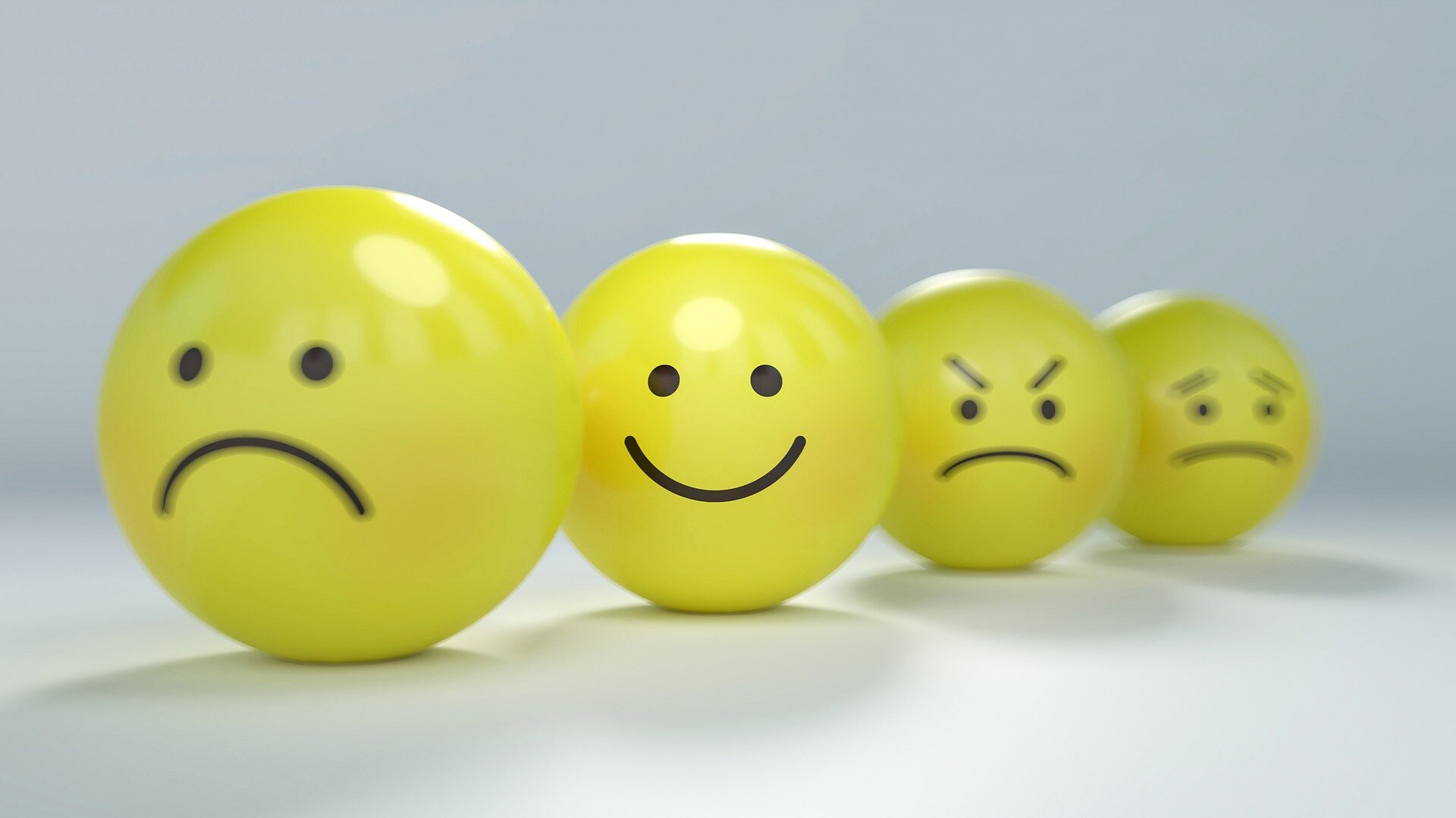
Image by Gino Crescoli, Pixabay
Are Negative Emotions Ever a Good Thing?
Why would anyone want to feel sad? anxious? angry? hopeless?
Most of us are used to thinking of these emotions as bad. Something to be gotten rid of. A sign that something is wrong with them.
feeling bad about feeling bad creates a cycle
I often see people get caught in a cycle of feeling bad that goes something like this: "Feeling bad means there's something wrong with me. It's not okay to have something wrong with me, so I also feel bad about the fact that something is wrong with me. I can't feel better until I know there's nothing wrong with me, but feeling bad is a sign there's something wrong with me."
Can you see how this cycle would lead to feeling stuck?
As a TEAM-CBT therapist, my approach turns this whole idea on its head to break the cycle by asking,
seeing the good in all emotions
"What if experiencing these emotions was really a sign that something is right with you?"
How could that be?
Let's use current events as an example. There's a global pandemic. Unemployment is high. There's civil unrest and political tension. People are losing their jobs and their lives. A lot of people are feeling bad lately. In fact, one third of Americans were reporting signs of clinical depression or anxiety in the beginning of June (much higher than before the pandemic), and I wouldn't be surprised if that number was even higher now.
Would it be fair to say this is a sign there is suddenly something wrong with one third of Americans?
I hope your answer is, "No!"
So what good things does it show about people who feel anxious or depressed, or even angry, about what's going on?
an expression of your values
These emotions may show that:
They care about others and feel compassion for their losses
They feel things deeply
They have a passion for life and miss being able to do things they're passionate about
They don't like what's happening and don't want to accept these things as being okay
They have a strong sense of right and wrong
They're being honest about the fact that there is a problem--not pretending everything is okay
They want to be prepared to protect themselves or others--not get caught off-guard
What other good things might these, or other painful emotions, show? Another way to ask this is, "Would you really want to feel happy about this situation just as it is (or expect others to feel happy about it)? Why not?"
how you think about things matters
What we tell ourselves is happening in a situation, or our thoughts about it, has a huge impact on how we feel. In fact, many mental health experts would argue that it is our thoughts about a situation, not the events themselves, that cause negative feelings.
These thoughts are often exaggerated in a way that leads us to feel worse about a situation than is necessary or helpful. But, just as our painful emotions can show something good about us, so can the thoughts that drive them.
For example, sticking with current events, some people may be thinking, "I shouldn't feel so upset, other people have it way worse!" This shows consideration for others, a level of gratitude for what they do have, and high standards for themselves.
Similarly, thinking, "I should be doing more," shows high standards and a level of confidence in your ability.
Thinking, "The world is over," shows a desire to be prepared for whatever might be coming and a willingness to acknowledge problems.
If you've lost your job and think, "I won't be able to take care of myself or my family," it shows a desire to be responsible and self-sufficient, to be a good provider or caretaker, and love for your family.
This is only a small sampling of thoughts and feelings that some people are experiencing right now.
Now, you might be thinking, "Of course people are feeling bad right now! The world is falling apart!"
While it may be easy to see why someone might have such negative thoughts and feelings under extreme circumstances, you may be surprised to find that there's a good side to negative thoughts and painful emotions in "normal" situations as well. It can be helpful to make a list of all the emotions you're having and the associated thoughts, and then list out all the good things these thoughts and feelings say about you and ways they may even be helping you.
For some people, this shift in thinking is easy to make, while others find it very challenging. We're so used to thinking that feeling bad is bad, means something bad, and should be stopped as soon as possible, that the idea it could be helpful or show something truly good about us can be hard to wrap our brains around. If you're finding this exercise challenging, you're not alone! It may be worth considering reaching out to a professional to help.
Being able to see the good in these emotions is often a turning point in my work with people. Once you can see these emotions as an expression of your value system and your brain's way of trying to protect or prepare you, when you can start to feel good about feeling bad, it paves the way for truly starting to feel better!
For more information about the areas I work with most, check out my home page.
Have you been feeling better during the pandemic?
As I write this, the pandemic has been taking over the world. Even as things are starting to reopen, the pandemic continues and uncertainty remains.

A World in Crisis
As I write this, the pandemic has been taking over the world. Schools are closed. Non-essential businesses have been closed and some are just starting to open. We’ve been told for months to stay home to stay safe and minimize “non-essential” contact with others. Many of us who can are working from home. Even as things are starting to reopen, the pandemic continues and uncertainty remains.
Given these circumstances, one of the things I’ve been surprised to hear is just how “okay” many people are feeling. In fact, a lot of people are telling me they’ve been feeling even better than they were before the pandemic. (Now if this doesn’t sound like you, don’t worry! It makes perfect sense that you may be struggling right now. This post is not meant to minimize your experience.)
So, what’s up with that?
A relief from daily pressures
A common thread seems to be a sense of relief from the pressures of their pre-C19 lives. Extracurricular activities are mostly cancelled (or being held online, resulting in shorter activities without painful commutes and kids screaming the car or siblings complaining that they don’t want to have to go). Virtual school is generally shorter than in-person school, with fewer requirements and little to no pressure for grades. Even for those working from home, many people are finding their schedules much lighter with an understanding that they are likely to be less busy or productive than usual.
Other things that seem to be helping are an increased focus on relationships in the absence of a focus on achievement. It’s actually been pretty nice to have more family time, video gatherings with friends, and sometimes even creating new connections with people you didn’t interact with before. Taking this time for self-care, like, exercising, working on personal growth, learning new skills, or practicing lost hobbies are all on the upswing. There is also this sense of going through this together as a community, even working as a community to achieve a common goal by all doing our part. All these things seem to be the bright spot in all of this.
If this sounds like you, I’m truly happy for you. I also want to challenge you to find ways to bring these changes into your life once life returns to “normal,” and not just see them as the result of forces beyond your control. It can be easy to feel better when the source of the problem is gone. When you’re faced with the inevitable pressures of everyday life again (in-person schooling, extra-curriculars, grades, work demands, etc.), how will you maintain your newfound sense of peace?
an opportunity for lasting change
This is an opportunity to create lasting changes in your mental health, but it will take work to maintain these gains. Without thought and effort put into this now, it is likely your old patterns will return when we all come out of this.
One way to create lasting change is to look for ways to cut back on daily pressures. Yes, this one will be easier said than done, and there are some things you won’t be able to cut out that you may wish you could. But, are there things you’ve discovered you can live without, or cut back on, that may actually make you feel better? Or are there changes in how you’re spending your time or what you’re focusing on as important that you can find ways to maintain?
If this involves other people, you will also want to communicate with them and make some commitments together with those people. For instance, are you doing weekly Zoom calls with old friends? Talk to them about committing to keep these up. Are you ending your days at a certain time to cook as a family, or go on bike rides? Work with your significant other to build a future schedule that includes these things. You need to be purposeful to make these changes last.
shifting perspectives
It’s also important to check for shifts in perspective. Sometimes a better emotional state can lead to clearer thinking. To do this, think about a situation that would have been upsetting for you in the past and write down all of the thoughts you may have been having at that time (or even just write down upsetting thoughts you know you have when you’re feeling anxious or upset), and see how true they feel now. If you no longer believe these thoughts, great! What do you believe now? Write that down! Post it somewhere, say it out loud, record yourself saying it, role-play talking back to those thoughts with someone you trust…any or all of these things will help solidify your new mindset and prepare you for facing the old thoughts when they try to creep back in (and they will—you just have to be prepared). If the thoughts still feel true, this could be an opportunity to work through new ways of thinking now, before you find yourself back in that situation again.
You may be able to take these steps on your own. But, if you are struggling to come up with new thoughts, or would like some guidance on how to move through this process quickly and effectively, now might be a great opportunity to work with a therapist on how to shift your perspective to prepare for when you find yourself in that situation or mindset again. I am working on putting these exact plans in place for myself and my family. These are things I have been doing in many of my sessions recently.
So whether things are going well for you or not right now, I am here to help you on your journey!
For information on anxiety treatment, contact me.

The Advantages of Online Therapy
Due to Coronavirus, I’ve moved my therapy sessions online. Participating in therapy sessions online can have several advantages.

Why Choose Online Therapy?
One of my goals for this year was to start offering online therapy. Thanks to COVID-19, I’ve reached that goal much quicker than I expected, making the decision in the course of just a few days to move all of my sessions online to protect my family, patients, and community. While there are several reasons that some people may prefer to go back to in-office sessions when it’s safe to do so again, online therapy has some definite benefits, as well. Here are a few:
· You can attend sessions from the comfort of your own home or office. While some people may prefer an office setting, others have shared that they feel more at-ease in their own familiar environment, which has led to more productive sessions. As long as you can find a private area for sessions (no, sorry, I can’t do sessions if you’re in a coffee shop), there can also be a sense of increased privacy in doing sessions online (no sitting in a waiting room with other people waiting to be seen).
· You don’t have to worry about traffic or weather conditions. This means your schedule can be more predictable. Instead of having to set aside 2 hours for therapy, half of which is driving time, you can set aside just an hour for the actual session time.
· Distance is less of a factor, so you can choose the therapist who is the best fit for you. This is related to the last point, but I’m going to take it even farther here. Finding a therapist who is a good fit and conveniently located can sometimes be challenging. With online therapy, you can focus just on fit and less on location. You may even choose a therapist in a different city, or in some instances, a different state (as long as they’re licensed in your state, depending on your state’s laws).
· Screen sharing. This has been one of my favorite online therapy tools. It allows us to look at and fill out a document together. (I think screen sharing functions may vary depending on which platform you’re using, and some may not have this ability, but I love it!) Since I tend to use written work as part of my therapeutic process, this tool comes in really handy, and in some cases helps me to explain the forms better than if I were just handing it to a patient and having them fill it out on the other side of the therapy room.
What do you think about online therapy? Can you think of any benefits I’ve missed here? I’d love to hear from you!
For more information about the areas I work with, check out my home page, or contact me.

What is TEAM-CBT?
In January of this year I earned my Level 1 Certification in TEAM-CBT, making me one of only three therapists in the Houston area with TEAM-CBT Certification.

What is TEAM-CBT?
In January of this year I earned my Level 1 Certification in TEAM-CBT, making me one of only three therapists in the Houston area with TEAM-CBT certification. I have received training on use of this approach with children and adolescents as well as adults, and am continuing to participate in training and consultation in using TEAM with both populations as I work toward higher levels of certification (Update: I passed the exam for Level 3 certification in August 2020).
TEAM-CBT is a cutting-edge approach to therapy developed by Dr. David Burns at the Stanford School of Medicine. Dr. Burns was one of the original leaders in the development of Cognitive Behavioral Therapy (CBT), which has been found to be one of the most effective forms of therapy. He was also one of the first mental health professionals to write a self-help book to teach people how they could use CBT on their own (Feeling Good: The New Mood Therapy), which is still one of the top selling self-help books on the market. He has since written several more self-help books as well as doing research on what makes therapy effective and teaching other providers how to be more effective therapists. It was through his research and innovative approach to therapy that TEAM-CBT was born.
What is the TEAM in TEAM-CBT?
TEAM is an acronym for the structure of TEAM-CBT.
T = Testing. Therapists using a TEAM approach will ask you to fill out brief symptom checklists each session—often at the beginning and end of the session. This is equivalent to taking your “emotional temperature” at each session to track progress. You may also be asked to fill out a longer symptom checklist during the intake process to make sure your therapist is aware of all the factors that could be important in your treatment.
E = Empathy. There is a strong focus on the use of empathy in the therapeutic relationship to develop a strong working relationship. While most therapists consider themselves to be empathic, therapists using a TEAM approach use a measure at the end of each session asking you to rate their empathy that session to make sure of it. TEAM therapists will openly discuss any concerns you have about how they are responding to you and make adjustments as needed.
A = Agenda Setting. Agenda setting means having an agreement about your overall goals for therapy as well as what you want to focus on each session. It is an ongoing process that happens throughout each session to make sure it is your agenda, and not the therapists or anyone else’s, that is being focused on. In TEAM, agenda setting also involves a process of addressing any factors that may get in the way of effectively working on your goals before working on any methods for addressing them.
M = Methods. Methods are the “how” of change. They are the tools, skills, or techniques that you use to address any concerns you choose to work on. Unlike some approaches to therapy that use a single method or only a few, TEAM therapists draw from 50 or more methods from a variety of therapeutic approaches, with a focus on finding the one/ones that will work best for each person.
What makes TEAM-CBT different?
The framework and approach to each of the steps outlined above make TEAM-CBT different from other approaches to therapy. TEAM-CBT is not a “school” of therapy, but a structure or approach to the therapeutic process. Most schools of therapy have a narrower range of methods that are used to address problems or concerns. Although many of the methods used in TEAM come from traditional CBT, therapists are encouraged to incorporate methods from other approaches as well, as long as those methods have research to support their efficacy.
TEAM-CBT is a very collaborative model with patient and therapist working together to set goals and the direction for therapy. As a general rule, a TEAM-CBT therapist will not tell you what you need to focus on, but will help you decide where you want to focus. If something is working for you and you don’t want to change it, or you’re not ready to work on it, a TEAM therapist will respect that and not try to force their own agenda. They will, however, try to keep you focused on working toward the goals you set, and be up-front with you about what you will need to do if you want to accomplish those goals. It is an active form of therapy with a strong emphasis on setting an agenda and learning and applying skills to accomplish that goal both in and out of sessions. Sessions often include written work, and homework is usually required. In many instances, the TEAM approach can lead to faster results than a traditional approach to therapy, provided that you are actively engaged in the process and willing to do work outside of sessions.
You may have noticed that “methods” were last in the acronym, and they are last in the approach. A TEAM therapist will not just listen and sprinkle in advice, but will approach methods in a systematic way once you are ready to start focusing on a specific problem.
What about kids?
Traditional CBT can be effective with children as young as 5 or 6, provided they are willing to actively engage in the work, and TEAM-CBT is no different. Although TEAM was originally developed for use with adults, it has been modified by highly skilled clinicians like Dr. Jacob Towery (author of The
Antidepressant Book: A Practical Guide for Teens and Young Adults to Overcome Depression and Stay Healthy) for use with children and adolescents.
Just like with adults, children have to be actively involved in wanting to work on goals in order for this approach to be effective. A TEAM therapist trained to use this approach with children will meet with parents as well as children during the intake process to determine what help they can provide and who it would be most helpful to work with (primarily the child, primarily the parent, or some combination), and will discuss their recommendations before beginning treatment.
Feel free to contact me if you’re interested in learning more about this approach. For more information about the areas I work with, click here.
Should I get a psychological diagnosis?
If you’ve been struggling emotionally, you may wonder if you have a mental health problem. It’s important to understand the potential advantages, as well as drawbacks, to getting a psychological diagnosis.
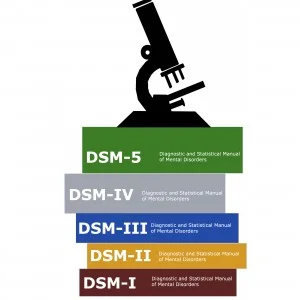
The Pros and Cons of Getting a Psychological Diagnosis
I’ve had this list written for a while and recently read an article in the New Yorker that inspired me to finally send it out (I’ll post a link to the article on https://www.Facebook.com/HoustonFamilyPsychology).
If you’ve been struggling emotionally, you may wonder if you have a mental health problem. Some people seek psychological treatment because they want a diagnosis to help them understand their experiences, while a desire to avoid diagnostic labels keeps others from seeking professional help. Whether you are looking for a diagnosis or trying to avoid one, it’s important to understand the potential advantages, as well as drawbacks, to getting a psychological diagnosis.
How can getting a diagnosis help?
Positives
A diagnosis can help you get insurance coverage: If you have mental health coverage, the only way to get reimbursement it is by having a diagnosis. If you’ve ever used health-insurance to pay for mental health services, you’ve been given a diagnosis. I find that some providers discuss this more openly with patients than others.
A diagnosis can help you understand what’s going on: The symptoms of mental health problems can often feel confusing and distressing. Having a name for these symptoms can help make sense of your experiences. For some diagnoses, such as OCD, recognizing and labeling the problem can be an important part of the treatment.
Knowing what your diagnosis is can help you communicate more efficiently about your experience and access information for self-help such as books, websites, and support groups.
A diagnosis can help you feel less alone: For some people, knowing that other people have faced similar difficulties, can feel like a huge relief and ease the sense of isolation that can come from thinking there’s something uniquely wrong with you. Being able to put a label on your symptoms puts you in a category of having experiences that other people have also had.
A diagnosis may protect you from discrimination and help you gain access to resources or accommodations in a school or work setting under the Individuals with Disabilities Education Act (IDEA) or Americans with Disabilities Act (ADA).
What are the possible drawbacks of a diagnosis?
Negatives
Having the label of a diagnosis can make it feel like there’s something bad or wrong about you, which makes some people feel worse—like they are powerless to get better and are at the mercy of the problem. This can interfere with recovery.
Although it may be decreasing somewhat, there can still be a stigma associated with having a diagnosis of mental illness, and the risk of people discounting your experiences or seeing you as a label rather than a unique person. This stigma can persist after people have recovered and no longer meet criteria for the diagnosis.
Within any given diagnosis, there are varying degrees of severity that are not addressed by most diagnostic labels. They tend to be seen as “all or nothing” problems and can sometimes over-pathologize human emotions and behaviors, which can also lead to over-medication.
A diagnosis provides limited information: For some problems, two people with the same diagnosis might have almost completely different sets of symptoms. On the other hand, someone with one core problem that shows up in many ways in their life could wind up with multiple diagnoses based on their symptom presentation.
A diagnosis does not necessarily give us a treatment plan. Treatment still needs to be tailored to each individual’s symptoms and desired goals, and many of the most advanced treatments can be effective across multiple diagnoses. For example, treatment approaches for most anxiety and depressive disorders are often similar.
deciding what’s right for you
As you can see, there are multiple reasons for and against getting a diagnosis. If you are struggling to pay for mental healthcare, and getting a diagnosis would allow for insurance coverage, it may be helpful to you, but it’s important to recognize that a diagnosis isn’t always necessary, or relevant, for getting help. When relevant, we may discuss diagnosis as a way of helping you better understand your symptoms or access additional help, but getting diagnosis does not solve the problem. Whether you get a diagnosis or not, it is always my recommendation to focus on the specific symptoms you are experiencing and your personal goals, not the label. Any mental health professional you meet with should be willing to discuss your thoughts about receiving a diagnosis during your sessions.
For more information on the areas I work with, click here.
Psychology Tip of the Week #4: The Perfectionist’s Trap
There are many ways all or nothing thinking can get in the way of happiness or success, and perfectionism is one of them.
If you read these tips, you may have noticed that recently I’ve missed more weeks than I’ve posted. In fact, I’ve missed so many weeks I wouldn’t blame you if you thought I had decided not to send tips anymore! This seemed like a good opportunity to address one of the biggest traps that perfectionists fall into: all-or-nothing thinking. There are many ways all or nothing thinking can get in the way of happiness or success, and perfectionism is one of them.
On the positive side, perfectionism shows you have high standards and value doing things right, and it can motivate you to do your best. When all-or-nothing thinking kicks in, perfectionism takes the form of “If I can’t do something right, I may as well not do it at all,” and can lead to spending excessive amounts of time agonizing over getting things perfect, frustration when perfection is not attained, burnout, or giving up. It can also lead to a fixed mindset that you’re either good at something or you’re not, so you might as well not put effort into those things you believe you’re “just not good at.”
If I were going to handle this lapse in posting in an overly perfectionistic manner and use all-or-nothing thinking, I would most likely stop sending tips, and would probably spend my energy feeling upset about failing instead of moving forward. Instead, I’ll choose to keep sending tips when I can and hope that it makes a difference in someone’s life when I do. I won’t promise not to miss anymore posts, because the truth is I probably will. Maybe I’ll consider changing these posts to “tips” instead of “tips of the week” someday, but for now I’ll just be happy I posted this one 😊
This week, try to notice how all-or-nothing thinking is impacting you.
For more information on anxiety treatment, click here.
Psychology Tip of the Week #3: Beware of Mind Reading
It can be easy to read intentions into other people’s behavior, but it’s also a common thinking error that tends to make us feel bad without good reason. It’s called “mind reading.”
In Psychology Tip of the Week #2 I mentioned that “it can feel like proof that I’m bugging people” if anyone unsubscribes after receiving my blog posts. I chose these words carefully because, while it “can” feel that way, it doesn’t have to. The fact is, I don’t know why any given person might choose to unsubscribe, and while it is possible that some people feel “bugged,” others likely have other reasons.
It can be easy to read intentions into other people’s behavior, but it’s also a common thinking error that tends to make us feel bad without good reason. It’s called “mind reading.” When we engage in mind reading, we often assume whatever we fear is true. If someone doesn’t return a text, for example, it can be easy to think that person is mad at you and feel anxious, or that they’re being rude and feel mad, or that they don’t want to be friends anymore and feel sad. If you tend to be anxious, you may often assume people don’t like you or are mad at you.
This week, catch yourself making assumptions about what other people are thinking and see if there may be an alternative explanation.
For information on anxiety treatment, click here.
Psychology Tip of the Week #2: Face a Fear
I have a confession to make. I feel anxious every time I post or send out a newsletter.
After deciding to give your inboxes a little break , I’m back with psychology tip of the week #2. Turns out there was some kind of technical glitch that resulted in tip #1 being sent out 5 times in a week. Yikes! Here’s hoping the glitch has been fixed! In the spirit of making the most of what life brings, this week’s tip was inspired by the that glitch.
I have a confession to make. I feel anxious every time I post or send out a newsletter. I worry that I might inadvertently say something that would put people off or that I’m bugging people, and whenever someone unsubscribes, it can seem like proof that those worries are true.
Enter Psychology Tip of the Week #2: Face your fears. Avoidance increases anxiety while facing fears decreases them. I feel a little less anxious each time I send out a new post. The more regularly I post, the better. The longer I wait, the more the anxiety creeps back in. That glitch forced me to face my anxiety about bugging people head-on and my worst-case fears did not come true. This week, challenge your worry thoughts by facing something you feel anxious about.
For more information on anxiety treatment, click here.
Psychology Tip of the Week: "What-ifs"
Our minds are more powerful than most of us give them credit for. One of the most amazing things about our minds is how our thoughts can not only influence our feelings and interactions with the world, but physically change the structure of our brains!
Our minds are more powerful than most of us give them credit for. One of the most amazing things about our minds is how our thoughts can not only influence our feelings and interactions with the world, but physically change the structure of our brains! Even seemingly small shifts in the way we think or act can lead to significant improvement in our wellbeing and satisfaction with life. Introducing “Psychology tip of the week.” Each tip is designed to give you something small to work on to improve your quality of life. I encourage you to treat each one as an experiment—try it out for a week and see how it feels, then continue using the ones that work best for you.
Tip 1: “What ifs” cause anxiety that can rob today of its joy over fear of something potentially bad (that may or may not actually happen) in the future. In some cases, this fear feels worse than it would feel if the “bad” thing actually happened. This week, try focusing on “what is” instead of “what if…?”
For more information on anxiety treatment, click here.