

BLOG
10 Best Psychologists and Therapists for Anxiety in Houston, TX
Treating anxiety requires specialized training in approaches that have been proven to be effective. I've compiled a list of the top 10 therapists in Houston, TX, specializing in anxiety treatment.
10 Best Psychologists and Therapists for Anxiety in Houston, TX
how Do i choose an anxiety therapist?
As part of my dedication to providing you with valuable insights and resources to support your mental health journey, this post focuses on finding the right provider for anxiety, a prevalent mental health concern that affects millions of individuals in Houston, TX, and beyond.
Anxiety can manifest in various forms, impacting daily functioning, relationships, and overall well-being. Fortunately, seeking support from a qualified therapist can make a significant difference in managing and alleviating anxiety symptoms.
Whether you're experiencing generalized anxiety, social anxiety, panic attacks, or other anxiety-related challenges, finding the right therapist is crucial.
Treating anxiety requires specialized training in approaches that have been proven to be effective. Well-meaning therapists who do not have specialized training can sometimes offer recommendations that make anxiety and its impact on your life worse.
To assist you in your search, we've compiled a list of the top 10 therapists in Houston, TX, specializing in anxiety treatment. These professionals are highly regarded for their expertise, compassion, and dedication to helping individuals overcome anxiety and regain control of their lives. Let's explore the top therapists who are making a positive impact in the Houston community.
The List:

Dr. Ehrin Weiss
Dr. Weiss is dedicated to learning the most effective and up-to-date treatments for anxiety so that she can help you find the strategies that will work best for you. She offers both virtual and in-person sessions.
Houston Family Psychology1454 Campbell Rd., Suite 201
Houston, TX 77055
Phone: 713-702-3770
https://www.HoustonFamilyPsychology.com
The OCD Institute of Texas
At The OCD Institute of Texas, they treat anxiety disorders as well as OCD. They provide evidence-based treatment individualized to your needs, including individual therapy, and partial hospitalization or residential programs for adults who need more intensive care.
708 E. 19th StreetHouston, TX 77008
Phone: 713-526-5055
Psychology Houston
The providers at Psychology Houston are experts in treating anxiety disorders using cognitive behavioral therapy (CBT).
2 Locations:
7660 Woodway, Suite 599
Houston, TX 77063
8111 Ashlane Way
The Woodlands, TX 77382
Phone: 713-914-9944
Houston Anxiety and Wellness Center
Houston Anxiety and Wellness Center has both individual and group options to provide evidence-based approaches for the treatment of anxiety disorders. Owner and director, Dr. Ivy Ruths, opened this center after treating severe anxiety at The OCD Institute of Texas.
4306 Yoakum Boulevard, Suite 510
Houston, TX 77006
Phone: 832-205-8120
https://www.houstonanxiety.com/
Houston DBT Center
Houston DBT Center provides virtual and in-person services to treat anxiety. They have different treatment options depending on your needs.
1348 Heights Boulevard
Houston, TX 77008
Phone: 713-972-2800
Dr. Angela Smith
Dr. Smith’s training focused on learning the best treatments for anxiety disorders. She offers in-person and virtual sessions.
Anxiety Specialists of Houston
4545 Post Oak Place Drive, Suite 349
Houston, TX 77027
Phone: 281-720-8972
https://www.anxietyspecialistshouston.com/
Michael Soderstrom
Mr. Soderstrom uses up-to-date methods, such as CBT, ERP, and ACT to treat anxiety and related disorders.
Houston OCD Counseling
9432 Katy Freeway, Suite 400
Houston, TX 77055
Phone: 281-219-8263
https://www.houstonocdcounseling.com/
Dr. Marcia M. Laviage
Dr. Laviage is well-trained in the use of CBT, which has been identified by research as the most effective approach for anxiety disorders.
2503 Robin Hood Street, Suite 145
Houston, TX 77005
Phone: 713-818-8187
Therapy and Co.
Therapy and Co. offers several evidence-based options for the treatment of anxiety. One unique offering is the use of virtual reality for exposures.
River Oaks Tower
3730 Kirby Drive, Suite 1120
Houston, TX 77098
Phone: 832-315-5793
https://therapyandcohouston.com/
Trauma and Anxiety Clinic of Houston
This University of Houston based clinic is dedicated to evidence-based assessment and treatment of anxiety and related disorders.
Health and Biomedical Sciences Building II
4849 Martin Luther King Boulevard, 1st floor
Houston, TX 77204
Phone: 713-743-8600, ask for TrACH
https://uh.edu/class/psychology/clinical-psych/research/trach/
Final Thoughts

As you embark on your journey to address anxiety and prioritize your mental health, remember that you're not alone. Seeking support from a skilled therapist can empower you to navigate the challenges of anxiety and cultivate resilience.
Whether you choose one of the therapists mentioned in this list or explore other options, prioritize finding a professional who aligns with your needs and values, who also has specialized training in the treatment of anxiety disorders.
Remember to be patient with yourself and celebrate each step forward in your healing process. At Houston Family Psychology, Dr. Weiss is here to support you every step of the way.
If you have any questions or would like to learn more about my services, don't hesitate to reach out. Your well-being is my priority, and I’m committed to helping you thrive.
You can schedule here
For more information on anxiety treatment, click here.
Ready, Set, Breathe!
Stress is not all in your mind. It’s also in your body. Deep breathing can help turn around the stress cycle. Here’s how.

Stress is not all in your mind. It’s also in your body…and it can feel really bad!
Whether the stress starts as something physical or mental, a feedback loop can form that intensifies stress levels.
It looks something like this - I think this situation is too much. My body starts to prepare for a challenge - my muscles tense, I breathe faster and shallower, this makes it harder to focus and my thoughts feel like they’re racing. Since I can’t focus, I become even more convinced that this is too much, which makes me even more tense…and so on…the physical and mental impacts of stress are stressful!
If you can break this cycle, you can calm your system and turn this process around.
You can do this through breathing exercises, physical and mental relaxation exercises, and mindfulness exercises.
Deep breathing for stress management
In this post we’ll focus on breathing exercises, and I’ll cover the others in their own posts.
Why breathing exercises?
I’ve had people laugh at me, roll their eyes, and even get offended when I recommended breathing as a tool. Breathing is talked about so much that I think it’s becoming undervalued because it seems overused. I also think some people think I’m minimizing their problems when I suggest breathing as a tool.
To their credit, breathing is not a cure-all. Not even close. In fact, I get pretty mad when I hear people tell me that the only tool their therapists taught them for managing stress or anxiety was deep breathing (but that’s a post for another day).
What breathing exercises do provide is a helpful base to build from.
take shallow breaths
Rather than try to explain why, let’s do a little experiment. Set a timer for 30 seconds, and for that 30 seconds, take fast shallow breaths. How do you feel? Light-headed? Foggy? Tense or on-edge? Maybe even a little anxious?
Test your breathing technique
Now, let’s test your deep breathing skills (most people do this wrong). Put one hand on your chest and one on your stomach and take three deep breaths. Which hand goes up first/farthest? If you’re really taking deep breaths, it should be the one on your stomach. I won’t go into the physical mechanics here, but to fill your lungs, you need to do what’s called diaphragmatic, or abdominal breathing, and to do it right, your stomach needs to expand.
Learn to take deep breaths
If the hand on your chest moved more, a good way to turn this around is to start by blowing all of the air out first. Blow out through your mouth, and squeeze your belly button back to your spine. Once you’ve gotten out as much air as possible, allow air to come in through your nose and fill your lungs, keeping your mouth closed. Most people will find this helps them to get a good diaphragmatic breath.

Experiment with Deep breathing
Once you’ve gotten the hang of diaphragmatic breathing, try experimenting with different deep breathing techniques, such as:
Long Exhale Breathing - Focus on making your exhales longer than your inhales. Breathing in for a count of four and out for a count of eight is a common way of doing this, but if this is difficult, you can start by extending your exhale by a count of one and work your way up. Longer exhales signal safety to your nervous system. Repeat for several breaths.
“Box” or “Square” Breathing - Breathe out for a count of four, hold for four, breathe in for four, and hold for four again. Repeat four or five times.
Alternate Nostril Breathing - Hold your hand to your nose and use your fingers to close one nostril and breathe into the other. Then use your fingers to close the other nostril, breathe out and back in. Continue alternating nostrils for in and out breaths, ending on an exhalation through the left nostril. Work up to five minutes.
All of these breathing techniques have been associated with decreasing heart-rate, decreasing blood-pressure, and improved ability to handle stressful situations. They are most effective when practiced daily and not just used when you’re already feeling particularly stressed or anxious.
Happy breathing!
10 Tips for Managing Stress
These 10 tips will help keep your stress levels in check so you can feel, and function, better. Regularly practicing these tools will help keep your stress in-check and make anxiety more manageable.
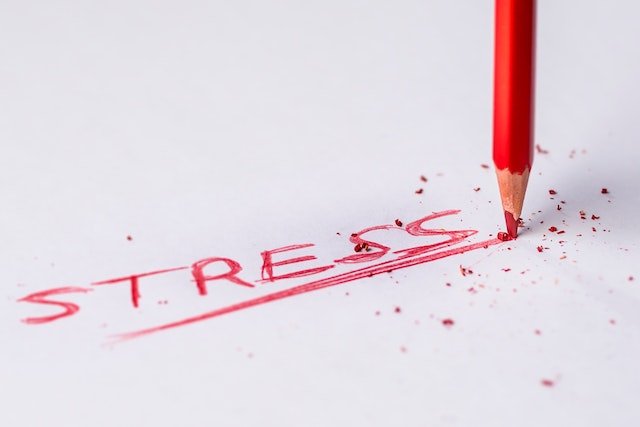
Can You Get Rid of Stress?
Everyone says they want to eliminate stress, but is it really worth eliminating?
A stress free life could get boring (many positive life events can be very stressful).
But beyond that, stress can have benefits.
Even if we could completely eliminate stress (which we can’t), I don’t think we should. Feeling stressed about something shows it’s important to you - it highlights your values. At the right levels, this feeling of stress can provide motivation to put extra energy toward those things you value. When managed well, stress can actually lead to growth. The key isn’t eliminating stress, it’s getting it into manageable areas where you can channel it for growth.
So the real question becomes, “How do I keep stressors from becoming too stressful?”
Tips For Managing Stress
These 10 tips will help keep your stress levels in check so you can feel, and function, better:
Learn and practice tools for calming your body and mind. Tension and racing thoughts suck up your mental and physical energy, making them stressors in their own right. Top tools for this include:
Breathing exercises
Relaxation exercises
Mindfulness
Make a list of your current stressors and divide it into things you can and can’t control.
Make a plan for how you’re going to address the things you can control.
Learn to radically accept the things you can’t change. You don’t have to like it, or even approve of it, to accept it. You just have to admit it’s happening.
Set realistic expectations for yourself and others. Unrealistic expectations are a recipe for stress and frustration.
Get support. This might mean getting help doing things, it might just mean having someone to vent to. Whatever it means to you, don’t try to do it all alone.
Work on communication. Most people aren’t as good at communicating as they’d like to think they are. Trust me, you do need to work on this.
Take care of your body. Eat right, sleep, exercise, limit substance use…you know the drill. An uncared for body is a stressed body. Don’t de-stress today in ways that will cause more stress tomorrow.
Do things you enjoy. Downtime and fun are not luxuries, they are stress relievers and rejuvenators. They give you the energy to keep going and make stressors feel less daunting.
Take it one step at a time. See number 4. Taking on too much at once is stressful, even if those things are designed to reduce stress.
Make sure to practice!
Stressors won’t stop coming, but regularly practicing these tools will help them feel much more manageable! If you’re a person who’s prone to anxiety, keeping your stress in-check will help make anxiety more manageable, too. Anxiety tends to flare when stress levels are high.
For more on anxiety treatment, click here.
Not sure if you’re dealing with stress or anxiety? Check out this blog post.
What's the Difference Between Stress and Anxiety?
If I asked you, “What’s the difference between stress and anxiety,” what would you say?
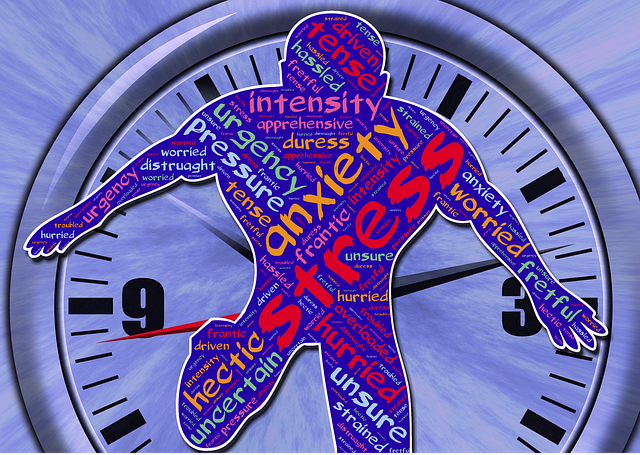
Stress vs. Anxiety
If I asked you, “What’s the difference between stress and anxiety,” what would you say?
The words “stress” and “anxiety” are often used together, sometimes even interchangeably, but are they the same thing?
What do stress and anxiety have in common?
Stress and anxiety have a lot in common. They feel uncomfortable. They can cause physical symptoms such as:
muscle tension
stomach pain
loss of appetite
headaches
trouble sleeping
They can make you feel irritable, overwhelmed, and like you just want to get away.
But there are some important differences between the two.
What are the differences between stress and anxiety?
Stress comes in the form of pressure. It happens when we’re faced with a situation that we aren’t sure we can handle successfully (a stressor). Stressors can range from physical ailments to environmental conditions, to events at work, in social relationships, or finances. In other words, just about anything can become a stressor if you don’t feel equipped to deal with it effectively or it strains your resources.
Stressors can be acute - situations that are time-limited and resolve relatively quickly, like having a big project due or your child having a meltdown over not getting what they want, or chronic - situations that are ongoing with no clear end in sight, like having a bad boss or a child with ongoing emotional or behavioral challenges. Chronic stress can lead to burnout and chronic health problems.
Anxiety comes in the form of fear. It happens when we anticipate that something bad (possibly even catastrophic) is going to happen, and that we aren’t going to be able to handle it, like when a flight gets turbulent or first impressions that may go wrong. In other words, we overestimate the risk in a situation and underestimate our ability to handle the outcome. Like stress, it can happen in response to an obvious trigger, but it can also happen when there’s no clear stressor, like a sleepless night where your mind is racing, or constant worry about something going wrong.
Like stress, anxiety can also be acute, and pass once a situation has passed, e.g. the turbulence has passed. It can also become chronic and feel like it takes on a life of its own, like fear of getting sick or messing up in a new job. When anxiety is frequent and intense, and interferes with life, it is considered an anxiety disorder. Chronic anxiety can lead to similar long-term problems as chronic stress, and in some situations actually cause the manifestation of the thing we were worried about if not dealt with.
As you may have guessed by now, stress and anxiety can happen together and, if not well managed, they can even exacerbate each other, creating a cycle of fear and overwhelm. The good news is there are effective tools for managing both. Stay tuned for more.
Don’t want to wait for the do it yourself version, or have tried it yourself and need help? For information on anxiety treatment, contact me or book an appointment using the link at the top of the page.
New! Anxiety Relief Book for Kids
If you’ve worked with me, you probably know that I like to recommend books that can help with the therapy process. Books can help people learn skills on their own as well as support the work that is done with a therapist. This is why I wrote Anxiety Relief Book for Kids.

There’s a new anxiety book in town…mine!
A New Way to Help Kids Understand and Manage Anxiety
If you’ve worked with me, you probably know that I like to recommend books that can help with the therapy process. Books can help people learn skills on their own as well as support the work that is done with a therapist. This is why I wrote Anxiety Relief Book for Kids.
It includes some of my favorite activities that have helped the kids I work with in my practice, as well as a lot of information to help parents and kids understand anxiety better. Here are some of the things the experts are saying:
Anxiety Experts weigh in
“Dr. Weiss has done a beautiful job creating a fantastic workbook that incorporates evidence-based treatments for treating anxiety in kids while also adding in some excellent and important psychoeducation by use of relatable stories and information. This workbook has an abundance of tools a parent and child would need to work through anxiety in a very streamlined fashion. As an anxiety specialist myself, I highly recommend this interactive workbook for kids who are struggling with anxiety and for parents who want specific tools to support their child in a very approachable way.” ―Jessica Drobny, Ph.D., licensed clinical psychologist
“Ehrin Weiss is a fun and engaging author. Anxiety Relief Book for Kids is an amazing resource for kids and parents to learn how to tackle their anxiety. Not only does this book provide excellent practical tools, it also helps children understand how their anxiety helps them and puts a positive spin on their emotions. It's hard to find an excellent CBT resource for children, and Weiss hit it out of the park!” ―Taylor Chesney, Psy.D., child/adolescent psychologist, director of Feeling Good Institute NYC (www.feelinggoodnyc.com)
And the most important expert…the mother of an 8 year-old says “He said he didn't want to do it but the first lesson had him smiling and laughing when it talked about telling yourself, "I don't think so Anxious Andy!" This is written in perfect kid language and it is a great mix of situational stories, activities, and pictures. I'm a teacher and am also in school to become a school counselor and this is a great resource for both of those professions as well as parents. I'd highly recommend it.”
Anxiety Relief Book for Kids is available for presale now, and copies will be delivered next week.
Check it out here and stay tuned for excerpts!
For more information on Anxiety Treatment contact me.

What's Good About Feeling Bad?
Why would anyone want to feel sad? anxious? angry? hopeless?

Image by Gino Crescoli, Pixabay
Are Negative Emotions Ever a Good Thing?
Why would anyone want to feel sad? anxious? angry? hopeless?
Most of us are used to thinking of these emotions as bad. Something to be gotten rid of. A sign that something is wrong with them.
feeling bad about feeling bad creates a cycle
I often see people get caught in a cycle of feeling bad that goes something like this: "Feeling bad means there's something wrong with me. It's not okay to have something wrong with me, so I also feel bad about the fact that something is wrong with me. I can't feel better until I know there's nothing wrong with me, but feeling bad is a sign there's something wrong with me."
Can you see how this cycle would lead to feeling stuck?
As a TEAM-CBT therapist, my approach turns this whole idea on its head to break the cycle by asking,
seeing the good in all emotions
"What if experiencing these emotions was really a sign that something is right with you?"
How could that be?
Let's use current events as an example. There's a global pandemic. Unemployment is high. There's civil unrest and political tension. People are losing their jobs and their lives. A lot of people are feeling bad lately. In fact, one third of Americans were reporting signs of clinical depression or anxiety in the beginning of June (much higher than before the pandemic), and I wouldn't be surprised if that number was even higher now.
Would it be fair to say this is a sign there is suddenly something wrong with one third of Americans?
I hope your answer is, "No!"
So what good things does it show about people who feel anxious or depressed, or even angry, about what's going on?
an expression of your values
These emotions may show that:
They care about others and feel compassion for their losses
They feel things deeply
They have a passion for life and miss being able to do things they're passionate about
They don't like what's happening and don't want to accept these things as being okay
They have a strong sense of right and wrong
They're being honest about the fact that there is a problem--not pretending everything is okay
They want to be prepared to protect themselves or others--not get caught off-guard
What other good things might these, or other painful emotions, show? Another way to ask this is, "Would you really want to feel happy about this situation just as it is (or expect others to feel happy about it)? Why not?"
how you think about things matters
What we tell ourselves is happening in a situation, or our thoughts about it, has a huge impact on how we feel. In fact, many mental health experts would argue that it is our thoughts about a situation, not the events themselves, that cause negative feelings.
These thoughts are often exaggerated in a way that leads us to feel worse about a situation than is necessary or helpful. But, just as our painful emotions can show something good about us, so can the thoughts that drive them.
For example, sticking with current events, some people may be thinking, "I shouldn't feel so upset, other people have it way worse!" This shows consideration for others, a level of gratitude for what they do have, and high standards for themselves.
Similarly, thinking, "I should be doing more," shows high standards and a level of confidence in your ability.
Thinking, "The world is over," shows a desire to be prepared for whatever might be coming and a willingness to acknowledge problems.
If you've lost your job and think, "I won't be able to take care of myself or my family," it shows a desire to be responsible and self-sufficient, to be a good provider or caretaker, and love for your family.
This is only a small sampling of thoughts and feelings that some people are experiencing right now.
Now, you might be thinking, "Of course people are feeling bad right now! The world is falling apart!"
While it may be easy to see why someone might have such negative thoughts and feelings under extreme circumstances, you may be surprised to find that there's a good side to negative thoughts and painful emotions in "normal" situations as well. It can be helpful to make a list of all the emotions you're having and the associated thoughts, and then list out all the good things these thoughts and feelings say about you and ways they may even be helping you.
For some people, this shift in thinking is easy to make, while others find it very challenging. We're so used to thinking that feeling bad is bad, means something bad, and should be stopped as soon as possible, that the idea it could be helpful or show something truly good about us can be hard to wrap our brains around. If you're finding this exercise challenging, you're not alone! It may be worth considering reaching out to a professional to help.
Being able to see the good in these emotions is often a turning point in my work with people. Once you can see these emotions as an expression of your value system and your brain's way of trying to protect or prepare you, when you can start to feel good about feeling bad, it paves the way for truly starting to feel better!
For more information about the areas I work with most, check out my home page.
Have you been feeling better during the pandemic?
As I write this, the pandemic has been taking over the world. Even as things are starting to reopen, the pandemic continues and uncertainty remains.

A World in Crisis
As I write this, the pandemic has been taking over the world. Schools are closed. Non-essential businesses have been closed and some are just starting to open. We’ve been told for months to stay home to stay safe and minimize “non-essential” contact with others. Many of us who can are working from home. Even as things are starting to reopen, the pandemic continues and uncertainty remains.
Given these circumstances, one of the things I’ve been surprised to hear is just how “okay” many people are feeling. In fact, a lot of people are telling me they’ve been feeling even better than they were before the pandemic. (Now if this doesn’t sound like you, don’t worry! It makes perfect sense that you may be struggling right now. This post is not meant to minimize your experience.)
So, what’s up with that?
A relief from daily pressures
A common thread seems to be a sense of relief from the pressures of their pre-C19 lives. Extracurricular activities are mostly cancelled (or being held online, resulting in shorter activities without painful commutes and kids screaming the car or siblings complaining that they don’t want to have to go). Virtual school is generally shorter than in-person school, with fewer requirements and little to no pressure for grades. Even for those working from home, many people are finding their schedules much lighter with an understanding that they are likely to be less busy or productive than usual.
Other things that seem to be helping are an increased focus on relationships in the absence of a focus on achievement. It’s actually been pretty nice to have more family time, video gatherings with friends, and sometimes even creating new connections with people you didn’t interact with before. Taking this time for self-care, like, exercising, working on personal growth, learning new skills, or practicing lost hobbies are all on the upswing. There is also this sense of going through this together as a community, even working as a community to achieve a common goal by all doing our part. All these things seem to be the bright spot in all of this.
If this sounds like you, I’m truly happy for you. I also want to challenge you to find ways to bring these changes into your life once life returns to “normal,” and not just see them as the result of forces beyond your control. It can be easy to feel better when the source of the problem is gone. When you’re faced with the inevitable pressures of everyday life again (in-person schooling, extra-curriculars, grades, work demands, etc.), how will you maintain your newfound sense of peace?
an opportunity for lasting change
This is an opportunity to create lasting changes in your mental health, but it will take work to maintain these gains. Without thought and effort put into this now, it is likely your old patterns will return when we all come out of this.
One way to create lasting change is to look for ways to cut back on daily pressures. Yes, this one will be easier said than done, and there are some things you won’t be able to cut out that you may wish you could. But, are there things you’ve discovered you can live without, or cut back on, that may actually make you feel better? Or are there changes in how you’re spending your time or what you’re focusing on as important that you can find ways to maintain?
If this involves other people, you will also want to communicate with them and make some commitments together with those people. For instance, are you doing weekly Zoom calls with old friends? Talk to them about committing to keep these up. Are you ending your days at a certain time to cook as a family, or go on bike rides? Work with your significant other to build a future schedule that includes these things. You need to be purposeful to make these changes last.
shifting perspectives
It’s also important to check for shifts in perspective. Sometimes a better emotional state can lead to clearer thinking. To do this, think about a situation that would have been upsetting for you in the past and write down all of the thoughts you may have been having at that time (or even just write down upsetting thoughts you know you have when you’re feeling anxious or upset), and see how true they feel now. If you no longer believe these thoughts, great! What do you believe now? Write that down! Post it somewhere, say it out loud, record yourself saying it, role-play talking back to those thoughts with someone you trust…any or all of these things will help solidify your new mindset and prepare you for facing the old thoughts when they try to creep back in (and they will—you just have to be prepared). If the thoughts still feel true, this could be an opportunity to work through new ways of thinking now, before you find yourself back in that situation again.
You may be able to take these steps on your own. But, if you are struggling to come up with new thoughts, or would like some guidance on how to move through this process quickly and effectively, now might be a great opportunity to work with a therapist on how to shift your perspective to prepare for when you find yourself in that situation or mindset again. I am working on putting these exact plans in place for myself and my family. These are things I have been doing in many of my sessions recently.
So whether things are going well for you or not right now, I am here to help you on your journey!
For information on anxiety treatment, contact me.

What is TEAM-CBT?
In January of this year I earned my Level 1 Certification in TEAM-CBT, making me one of only three therapists in the Houston area with TEAM-CBT Certification.

What is TEAM-CBT?
In January of this year I earned my Level 1 Certification in TEAM-CBT, making me one of only three therapists in the Houston area with TEAM-CBT certification. I have received training on use of this approach with children and adolescents as well as adults, and am continuing to participate in training and consultation in using TEAM with both populations as I work toward higher levels of certification (Update: I passed the exam for Level 3 certification in August 2020).
TEAM-CBT is a cutting-edge approach to therapy developed by Dr. David Burns at the Stanford School of Medicine. Dr. Burns was one of the original leaders in the development of Cognitive Behavioral Therapy (CBT), which has been found to be one of the most effective forms of therapy. He was also one of the first mental health professionals to write a self-help book to teach people how they could use CBT on their own (Feeling Good: The New Mood Therapy), which is still one of the top selling self-help books on the market. He has since written several more self-help books as well as doing research on what makes therapy effective and teaching other providers how to be more effective therapists. It was through his research and innovative approach to therapy that TEAM-CBT was born.
What is the TEAM in TEAM-CBT?
TEAM is an acronym for the structure of TEAM-CBT.
T = Testing. Therapists using a TEAM approach will ask you to fill out brief symptom checklists each session—often at the beginning and end of the session. This is equivalent to taking your “emotional temperature” at each session to track progress. You may also be asked to fill out a longer symptom checklist during the intake process to make sure your therapist is aware of all the factors that could be important in your treatment.
E = Empathy. There is a strong focus on the use of empathy in the therapeutic relationship to develop a strong working relationship. While most therapists consider themselves to be empathic, therapists using a TEAM approach use a measure at the end of each session asking you to rate their empathy that session to make sure of it. TEAM therapists will openly discuss any concerns you have about how they are responding to you and make adjustments as needed.
A = Agenda Setting. Agenda setting means having an agreement about your overall goals for therapy as well as what you want to focus on each session. It is an ongoing process that happens throughout each session to make sure it is your agenda, and not the therapists or anyone else’s, that is being focused on. In TEAM, agenda setting also involves a process of addressing any factors that may get in the way of effectively working on your goals before working on any methods for addressing them.
M = Methods. Methods are the “how” of change. They are the tools, skills, or techniques that you use to address any concerns you choose to work on. Unlike some approaches to therapy that use a single method or only a few, TEAM therapists draw from 50 or more methods from a variety of therapeutic approaches, with a focus on finding the one/ones that will work best for each person.
What makes TEAM-CBT different?
The framework and approach to each of the steps outlined above make TEAM-CBT different from other approaches to therapy. TEAM-CBT is not a “school” of therapy, but a structure or approach to the therapeutic process. Most schools of therapy have a narrower range of methods that are used to address problems or concerns. Although many of the methods used in TEAM come from traditional CBT, therapists are encouraged to incorporate methods from other approaches as well, as long as those methods have research to support their efficacy.
TEAM-CBT is a very collaborative model with patient and therapist working together to set goals and the direction for therapy. As a general rule, a TEAM-CBT therapist will not tell you what you need to focus on, but will help you decide where you want to focus. If something is working for you and you don’t want to change it, or you’re not ready to work on it, a TEAM therapist will respect that and not try to force their own agenda. They will, however, try to keep you focused on working toward the goals you set, and be up-front with you about what you will need to do if you want to accomplish those goals. It is an active form of therapy with a strong emphasis on setting an agenda and learning and applying skills to accomplish that goal both in and out of sessions. Sessions often include written work, and homework is usually required. In many instances, the TEAM approach can lead to faster results than a traditional approach to therapy, provided that you are actively engaged in the process and willing to do work outside of sessions.
You may have noticed that “methods” were last in the acronym, and they are last in the approach. A TEAM therapist will not just listen and sprinkle in advice, but will approach methods in a systematic way once you are ready to start focusing on a specific problem.
What about kids?
Traditional CBT can be effective with children as young as 5 or 6, provided they are willing to actively engage in the work, and TEAM-CBT is no different. Although TEAM was originally developed for use with adults, it has been modified by highly skilled clinicians like Dr. Jacob Towery (author of The
Antidepressant Book: A Practical Guide for Teens and Young Adults to Overcome Depression and Stay Healthy) for use with children and adolescents.
Just like with adults, children have to be actively involved in wanting to work on goals in order for this approach to be effective. A TEAM therapist trained to use this approach with children will meet with parents as well as children during the intake process to determine what help they can provide and who it would be most helpful to work with (primarily the child, primarily the parent, or some combination), and will discuss their recommendations before beginning treatment.
Feel free to contact me if you’re interested in learning more about this approach. For more information about the areas I work with, click here.

Psychology Tip of the Week #4: The Perfectionist’s Trap
There are many ways all or nothing thinking can get in the way of happiness or success, and perfectionism is one of them.

If you read these tips, you may have noticed that recently I’ve missed more weeks than I’ve posted. In fact, I’ve missed so many weeks I wouldn’t blame you if you thought I had decided not to send tips anymore! This seemed like a good opportunity to address one of the biggest traps that perfectionists fall into: all-or-nothing thinking. There are many ways all or nothing thinking can get in the way of happiness or success, and perfectionism is one of them.
On the positive side, perfectionism shows you have high standards and value doing things right, and it can motivate you to do your best. When all-or-nothing thinking kicks in, perfectionism takes the form of “If I can’t do something right, I may as well not do it at all,” and can lead to spending excessive amounts of time agonizing over getting things perfect, frustration when perfection is not attained, burnout, or giving up. It can also lead to a fixed mindset that you’re either good at something or you’re not, so you might as well not put effort into those things you believe you’re “just not good at.”
If I were going to handle this lapse in posting in an overly perfectionistic manner and use all-or-nothing thinking, I would most likely stop sending tips, and would probably spend my energy feeling upset about failing instead of moving forward. Instead, I’ll choose to keep sending tips when I can and hope that it makes a difference in someone’s life when I do. I won’t promise not to miss anymore posts, because the truth is I probably will. Maybe I’ll consider changing these posts to “tips” instead of “tips of the week” someday, but for now I’ll just be happy I posted this one 😊
This week, try to notice how all-or-nothing thinking is impacting you.
For more information on anxiety treatment, click here.
Psychology Tip of the Week #3: Beware of Mind Reading
It can be easy to read intentions into other people’s behavior, but it’s also a common thinking error that tends to make us feel bad without good reason. It’s called “mind reading.”

In Psychology Tip of the Week #2 I mentioned that “it can feel like proof that I’m bugging people” if anyone unsubscribes after receiving my blog posts. I chose these words carefully because, while it “can” feel that way, it doesn’t have to. The fact is, I don’t know why any given person might choose to unsubscribe, and while it is possible that some people feel “bugged,” others likely have other reasons.
It can be easy to read intentions into other people’s behavior, but it’s also a common thinking error that tends to make us feel bad without good reason. It’s called “mind reading.” When we engage in mind reading, we often assume whatever we fear is true. If someone doesn’t return a text, for example, it can be easy to think that person is mad at you and feel anxious, or that they’re being rude and feel mad, or that they don’t want to be friends anymore and feel sad. If you tend to be anxious, you may often assume people don’t like you or are mad at you.
This week, catch yourself making assumptions about what other people are thinking and see if there may be an alternative explanation.
For information on anxiety treatment, click here.