

BLOG

Understanding the Role of Accommodation in Child Anxiety and OCD: A Guide for Parents
Sometimes, the ways in which we try to support our children can inadvertently contribute to the persistence of their symptoms. This is where understanding the concept of accommodation becomes crucial.
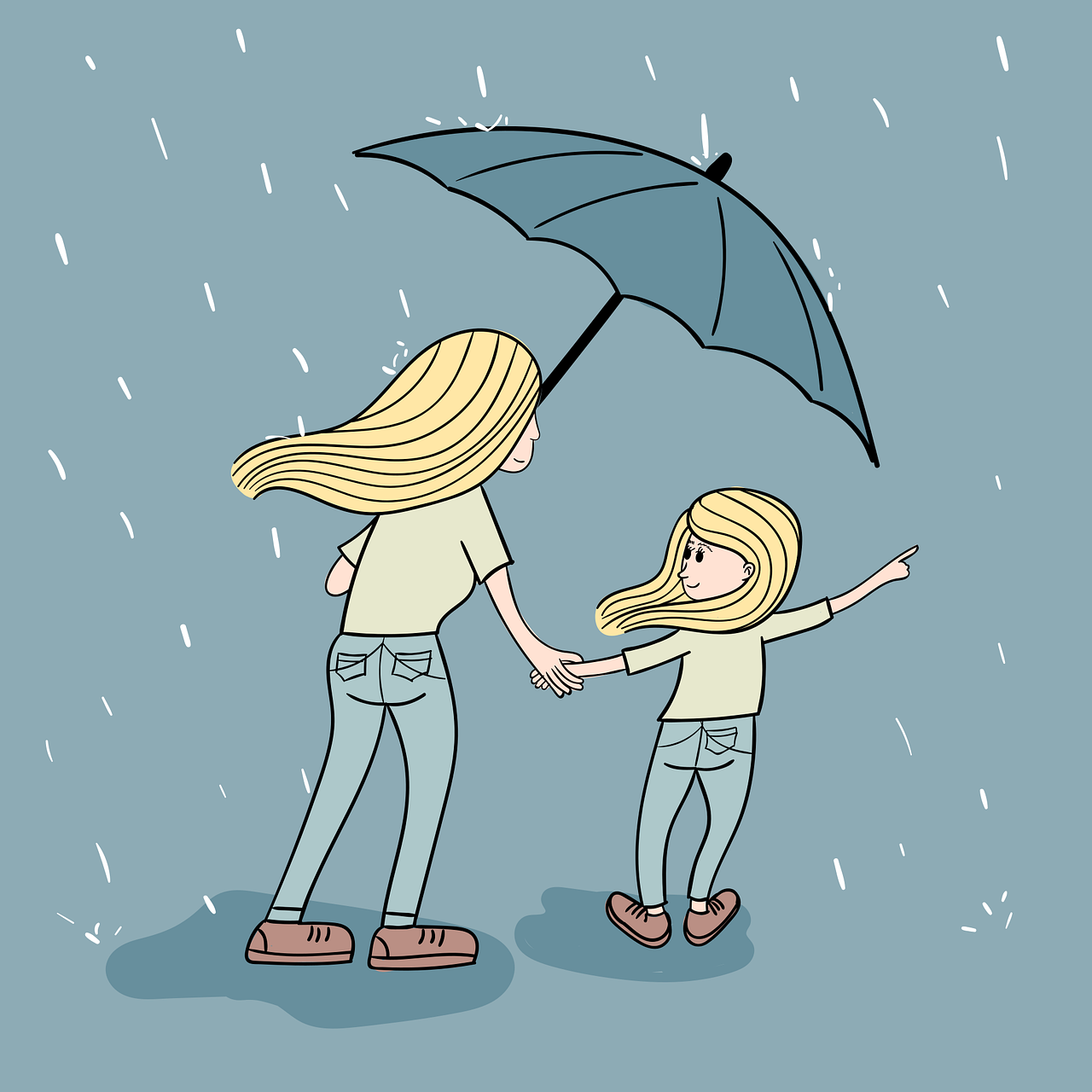
Understanding the Role of Accommodation in Child Anxiety and OCD: A Guide for Parents
As a parent, witnessing your child struggle with anxiety or Obsessive-Compulsive Disorder (OCD) can be incredibly challenging. You want to do everything in your power to help them feel safe and secure, and they look to you for safety and security. However, sometimes, the ways in which we try to support our children can inadvertently contribute to the persistence of their symptoms. This is where understanding the concept of accommodation becomes crucial.
What is Accommodation?
Accommodation refers to the various ways in which parents, caregivers, and family members adjust their behavior to alleviate a child's anxiety or OCD-related distress. While these adjustments are typically well-intentioned and stem from a desire to protect the child, they can inadvertently reinforce the anxiety or OCD cycle, making symptoms more entrenched over time.
The Role of Accommodation in Child Anxiety and OCD

Accommodation can take many forms, including reassurance-seeking, providing constant supervision, helping with compulsive behaviors, and modifying family routines to adjust for the child's anxiety or OCD-related demands. While these behaviors may provide temporary relief, they ultimately reinforce the child's belief that they are unable to cope with anxiety-provoking situations independently.
The old adage, “Actions speak louder than words,” is true here. If you tell a child they have nothing to worry about and everything is going to be okay, then act as though they do have things to worry about and they can’t handle upsetting situations by allowing them to avoid anxiety-provoking situations, their anxiety will be reinforced.
Consequences of Accommodation
Continued accommodation can have several negative consequences for both the child and the family as a whole. These may include:
Reinforcement of Anxiety and OCD Symptoms: Accommodation reinforces the child's belief that their fears are valid and that they need external reassurance or avoidance behaviors to manage their anxiety or OCD.
Impaired Coping Skills: When parents consistently accommodate their child's anxiety or OCD symptoms, the child may not have the opportunity to develop essential coping skills or resilience.
Strain on Family Dynamics: Accommodation can lead to increased stress and tension within the family, as other family members may feel overwhelmed or resentful of the constant need to adjust their behavior to accommodate the child's symptoms. This can also result in conflict.
Limitation of Independence: Children who rely heavily on accommodation may struggle to develop independence and age-appropriate autonomy, which can impact all areas of life.
Addressing Accommodation in Therapy
Therapy plays a crucial role in helping families understand and address accommodation patterns effectively. A skilled therapist can work collaboratively with parents and children to:
Raise Awareness: By helping parents recognize accommodation behaviors and their impact on their child's well-being, therapy can empower families to make positive changes.
Implement Gradual Exposure: Gradual exposure techniques can help children confront their fears in a controlled and supportive environment, gradually reducing the need for accommodation.
Foster Independence: Therapy can support children in developing coping skills and strategies to manage anxiety or OCD symptoms independently, reducing reliance on accommodation.
Improve Family Communication: Therapy provides a safe space for families to discuss their experiences and concerns openly, fostering better communication and understanding.

Conclusion: Understanding the role of accommodation in child anxiety and OCD is essential for parents seeking to support their children effectively. By recognizing and addressing accommodation patterns, families can empower their children to develop resilience, independence, and coping skills. Therapy plays a crucial role in this process, providing guidance, support, and strategies for positive change. The SPACE program is designed to help parents through the process of recognizing and reducing accommodations, and has been found to be as effective as child-focused therapy for addressing anxiety and OCD.
For more information about SPACE and reducing accommodations, click here or schedule a time to talk to Dr. Weiss here.

What is the SPACE Approach to Helping Children Cope with Anxiety and OCD?
Innovative therapeutic approaches like Supportive Parenting for Anxious Childhood Emotions (SPACE) offer promising solutions to child anxiety and OCD. In this post, we'll delve into the SPACE approach, its principles, and how it can effectively support children struggling with anxiety and OCD.
The SPACE Approach: Helping Children Cope with Anxiety and OCD

In today's fast-paced world, childhood anxiety and Obsessive-Compulsive Disorder (OCD) are increasingly prevalent concerns among parents and caregivers. Fortunately, innovative therapeutic approaches like Supportive Parenting for Anxious Childhood Emotions (SPACE) by Dr. Eli Leibowitz offer promising solutions. In this post, we'll delve into the SPACE approach, its principles, and how it can effectively support children struggling with anxiety and OCD.

Understanding Childhood Anxiety and OCD
Before delving into the SPACE approach, it's crucial to grasp the challenges faced by children with anxiety and OCD. Anxiety disorders manifest in various forms, including generalized anxiety, separation anxiety, social anxiety, and specific phobias. OCD, on the other hand, is characterized by intrusive thoughts (obsessions) and repetitive behaviors (compulsions) aimed at alleviating anxiety. While it is no longer classified as an anxiety disorder, many of the treatment approaches overlap with those for anxiety disorders.
What is the SPACE Approach?
Developed by Dr. Eli Leibowitz, the SPACE approach is a novel intervention designed to empower parents in supporting their children with anxiety and OCD. Unlike traditional therapy models where the child is the primary focus, SPACE recognizes the crucial role parents play in their child's recovery journey. By fostering a supportive and validating environment, parents can effectively aid their child's emotional resilience and coping skills.
Key Principles of the SPACE Approach:
Encouraging Autonomy: SPACE encourages parents to empower their children by fostering independence in managing their anxiety and OCD symptoms. Parents of children with anxiety or OCD often protect their children from their anxious feelings by engaging in accommodations. While it is natural to want to protect your child from distress, accommodations have been found to promote anxiety rather than alleviating it. In SPACE, parents learn to recognize and reduce their accommodating behaviors.
Validating Emotions: Central to the SPACE approach is the validation of children's emotions. Instead of dismissing or minimizing their feelings, parents are encouraged to acknowledge and empathize with their child's experiences. Many parents inadvertently invalidate their children’s emotions by trying to talk them out of feeling anxious. Validating their emotions fosters trust and strengthens the parent-child bond.
Promoting Acceptance: SPACE emphasizes acceptance of uncertainty and imperfection. Rather than seeking to eliminate anxiety or OCD altogether, the focus is on helping children develop adaptive strategies to coexist with their symptoms while leading fulfilling lives. This, in turn, tends to lead to a decrease in anxiety.
Implementing the SPACE Approach:

Implementing the SPACE approach involves collaboration between parents and mental health professionals. Through psychoeducation, role-playing exercises, creating an action plan, and ongoing support, parents learn how to effectively respond to their child's anxiety and OCD symptoms while promoting resilience and self-efficacy. SPACE can be used alongside Cognitive Behavioral Therapy (CBT) for the child, but children are not required to participate in SPACE.
Benefits of the SPACE Approach:
The SPACE approach with parents has been show to be as effective in treating childhood anxiety and OCD as CBT with the child directly.
Parental accommodations have been shown to interfere with CBT in children - SPACE helps parents to recognize and eliminate these behaviors, making their child’s therapy more effective.
Children do not always want to participate in therapy - SPACE gives parents the ability to address their child’s anxiety or OCD without requiring their child’s agreement to participate.
SPACE improves children’s functioning, decreases their anxiety and OCD symptoms, and can improve the parent-child relationship.
In Conclusion:
Childhood anxiety and OCD can have a profound impact on a child's life, but with the right support and intervention, they can learn to navigate these challenges successfully. The SPACE approach offers a valuable framework for parents seeking to empower their children and promote emotional resilience. By learning to reduce accommodations and respond more effectively to their children’s symptoms, parents can help their children with anxiety and OCD to thrive.
For more information about treating child anxiety and OCD, click here.
10 Best Psychologists and Therapists for Child Anxiety and OCD in Houston
Treating these conditions in children requires specialized training and a deep understanding of developmental nuances. To assist in your search, we've curated a list of the top 10 therapy providers specializing in treating child anxiety and OCD.
10 Best Psychologists and Therapists for Child Anxiety and OCD in Houston, TX
Are you looking for a child anxiety or OCD therapist?
Today, we're focusing on two common yet challenging conditions affecting children: anxiety and Obsessive-Compulsive Disorder (OCD).
Treating these conditions in children requires specialized training and a deep understanding of developmental nuances. Parents seeking support for their child's anxiety may feel overwhelmed by the multitude of therapy providers available.
To assist in your search, we've curated a list of the top 10 therapy providers specializing in treating child anxiety and OCD. These professionals possess the specialized training and experience necessary to tailor interventions to the unique needs of children, offering compassionate support and evidence-based care.
the list:

Dr. Ehrin Weiss
Dr. Weiss offers both virtual and in-person sessions for the treatment of anxiety and OCD in Houston. She has published a workbook, Anxiety Relief Book for Kids, to help children understand and learn skills to deal with their anxiety, is trained in the Supportive Parenting for Anxious Childhood Emotions (SPACE) model for the treatment of anxiety and OCD in children, and has presented to the Houston Psychological Association on methods for the treatment of anxiety in children.
Houston Family Psychology
1454 Campbell Rd., Suite 201
Houston, TX 77055
Phone: 713-702-3770
https://www.HoustonFamilyPsychology.com
Texas Children’s Hospital Anxiety and OCD Disorders Program
This outpatient program uses evidence-based approaches to treat anxiety and OCD in children.
6621 Fannin Street
Houston, TX 77030
Phone: 832-824-9322
https://www.texaschildrens.org/departments/pediatric-psychology/outpatient-services
Houston Anxiety and Wellness Center
Houston Anxiety and Wellness Center has both individual and group options to provide evidence-based approaches for the treatment of anxiety and OCD in children. Dr. Ruths is trained in the SPACE approach to treating these conditions.
4306 Yoakum Boulevard, Suite 510
Houston, TX 77006
Phone: 832-205-8120
https://www.houstonanxiety.com/
Houston OCD & Anxiety
At Houston OCD & Anxiety, Dr. Sequeira is SPACE trained and provides evidence-based treatment for OCD and anxiety disorders for children in English or Spanish.
4306 Yoakum Boulevard, Suite 510
Houston, TX 77006
Phone: 832-557-9436
https://houstonocdanxiety.com/
Psychology Houston
The providers at Psychology Houston offer evidence-based therapy services for treating anxiety disorders and OCD in children.
2 Locations:
7660 Woodway, Suite 599
Houston, TX 77063
8111 Ashlane Way
The Woodlands, TX 77382
Phone: 713-914-9944
https://psychologyhoustonpc.com/
Michael Soderstrom
Mr. Soderstrom uses up-to-date methods to treat anxiety and OCD in children as well as adults.
Houston OCD Counseling
9432 Katy Freeway, Suite 400
Houston, TX 77055
Phone: 281-219-8263
https://www.houstonocdcounseling.com/
Joan Lipulscek
Ms. Lipulscek specializes in the treatment of children and adolescents using CBT. She can provide services in English or Spanish.
4200 Montrose, Suite 550
Houston, TX 77006
Phone: 713-376-9822
https://www.joanlipuscek.com/anxiety
The Houston Center for Valued Living
This clinic uses evidence-based treatments for anxiety and OCD for children as well as adults.
4203 Montrose Boulevard, Suite 480
Houston, TX 77006
Phone: 713-331-5538
https://www.houstoncenterforvaluedliving.com/
Memorial Child and Family Therapy
The providers Memorial Child and Family Therapy use a variety of evidence-based approaches to treat anxiety and OCD. They work with young children through teenagers.
9525 Katy Freeway, Suite 450
Houston, TX 77024
Phone: 832-615-5508
Dr. Chad Brandt
Dr. Brandt specializes in the treatment of severe anxiety disorders and OCD in children and adults using evidence-based treatment approaches. He offers traditional as well as full-day intensive therapy options.
Brookhollow West Drive
#41070
Houston, Texas 77241
281-692-4631
https://www.drchadbrandt.com/
Final thoughts

As you navigate the journey of supporting your child through anxiety and OCD, remember that specialized training in child therapy is essential for effective treatment. The therapy providers highlighted in this list understand the developmental nuances of childhood anxiety and OCD, providing tailored interventions that promote healing and resilience.
Whether you choose one of these providers or explore other options, prioritize finding a professional who is committed to your child's well-being and possesses the expertise needed to address their unique challenges.
At Houston Family Psychology, I’m here to support you every step of the way. If you have any questions or would like to learn more about my services, please don't hesitate to reach out. Your child's mental health is my priority, and I’m dedicated to helping them overcome anxiety and OCD, and flourish.
To schedule an appointment, click here.
Click here for more information on childhood anxiety treatment.